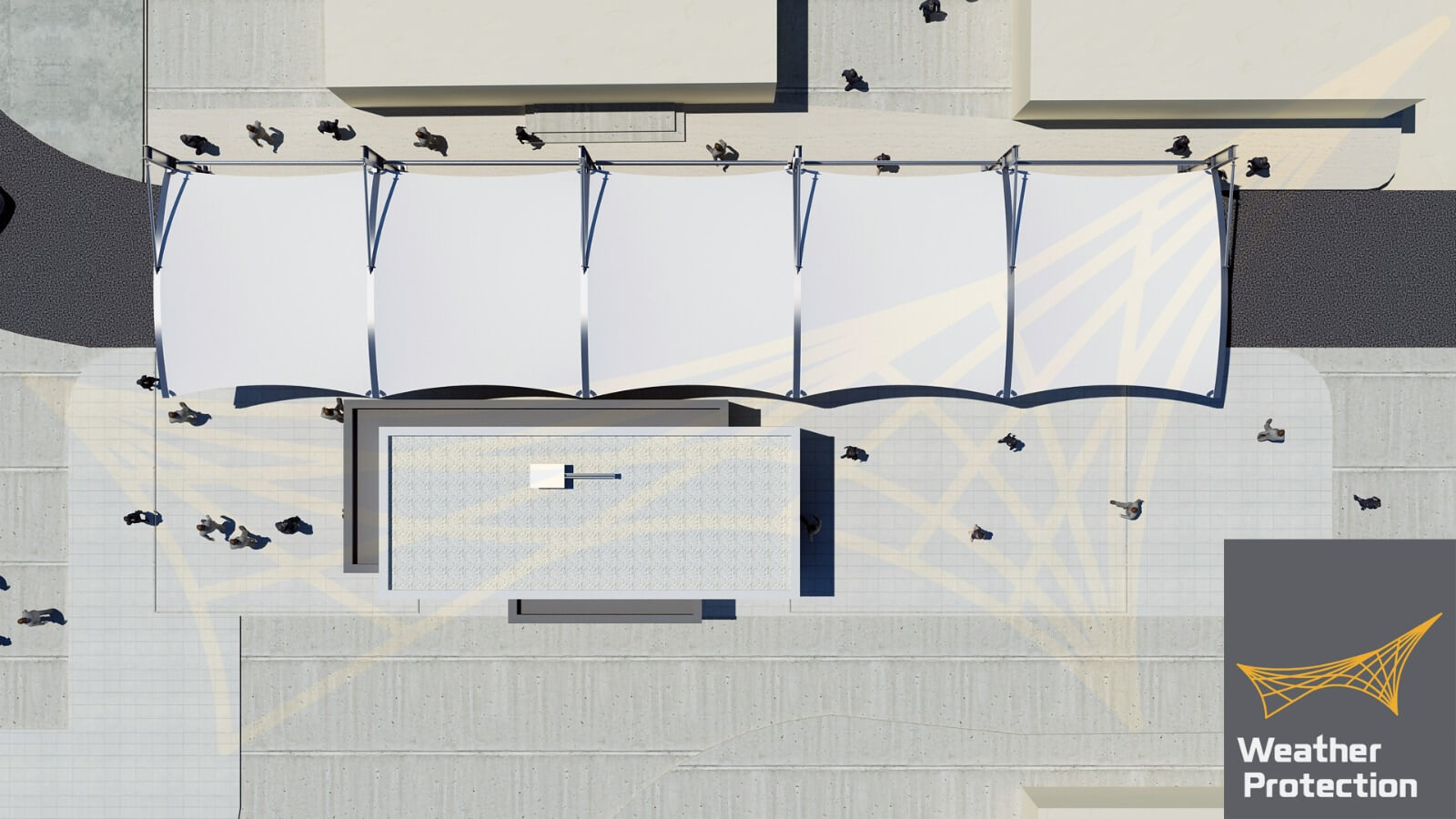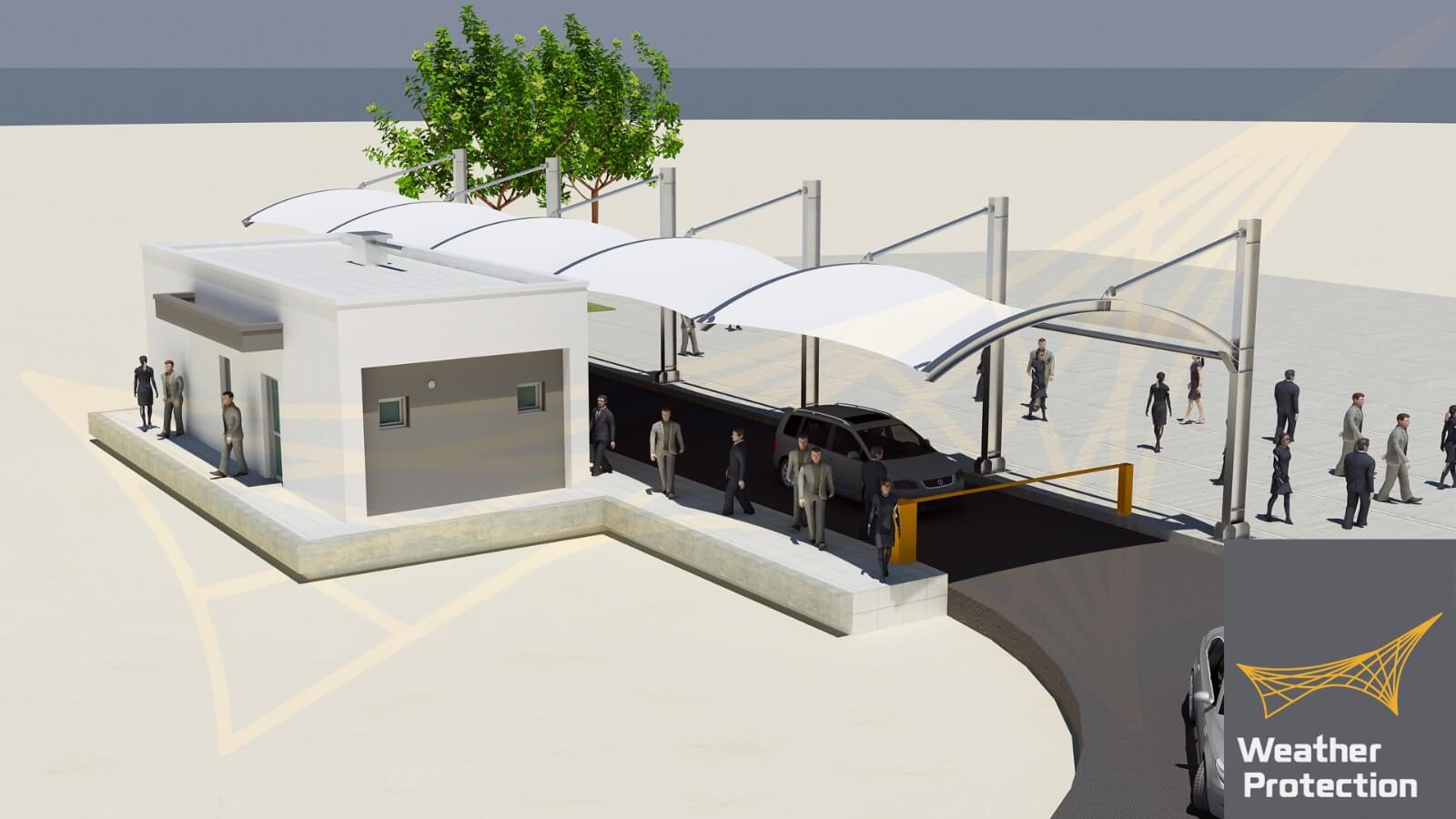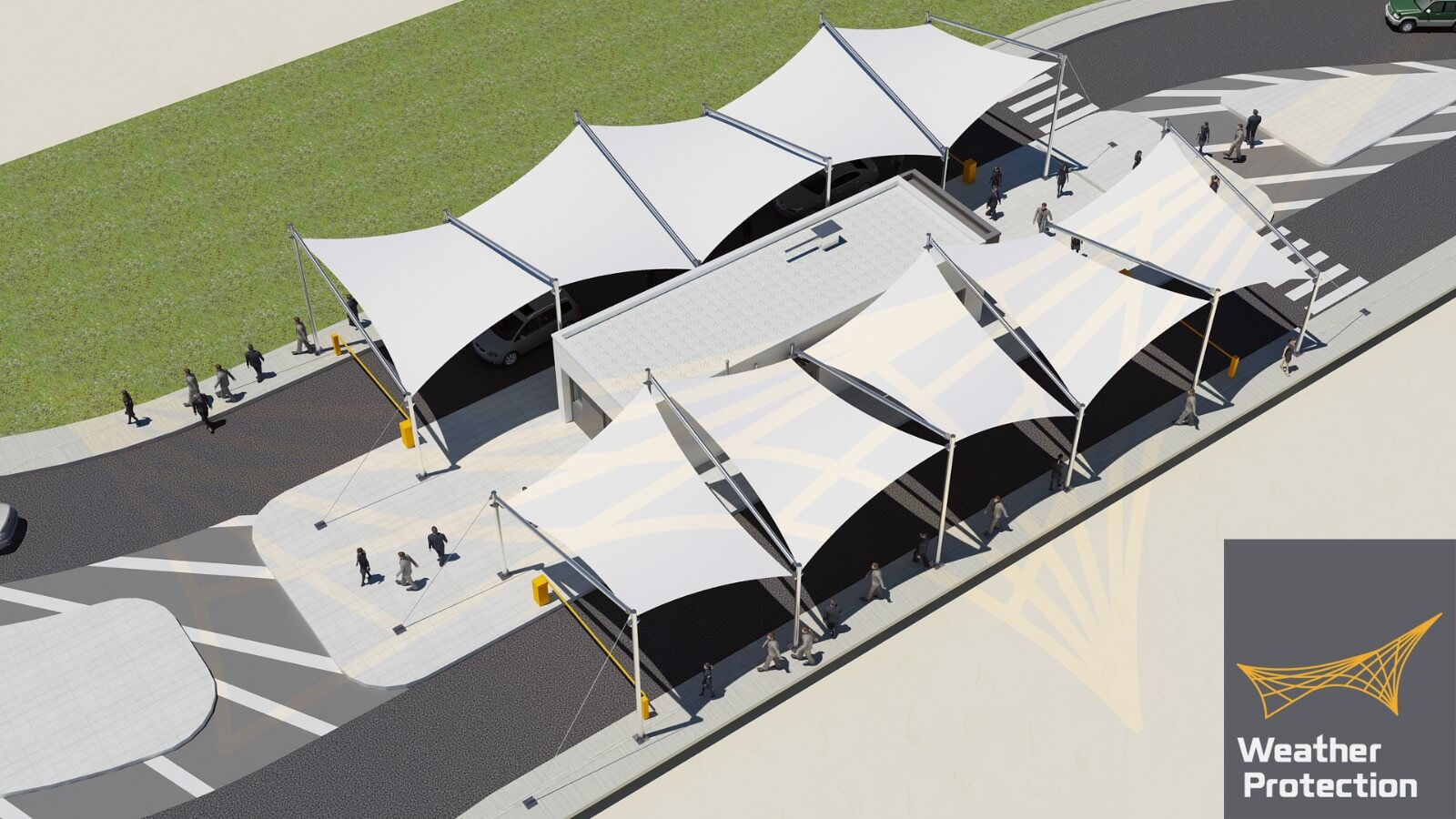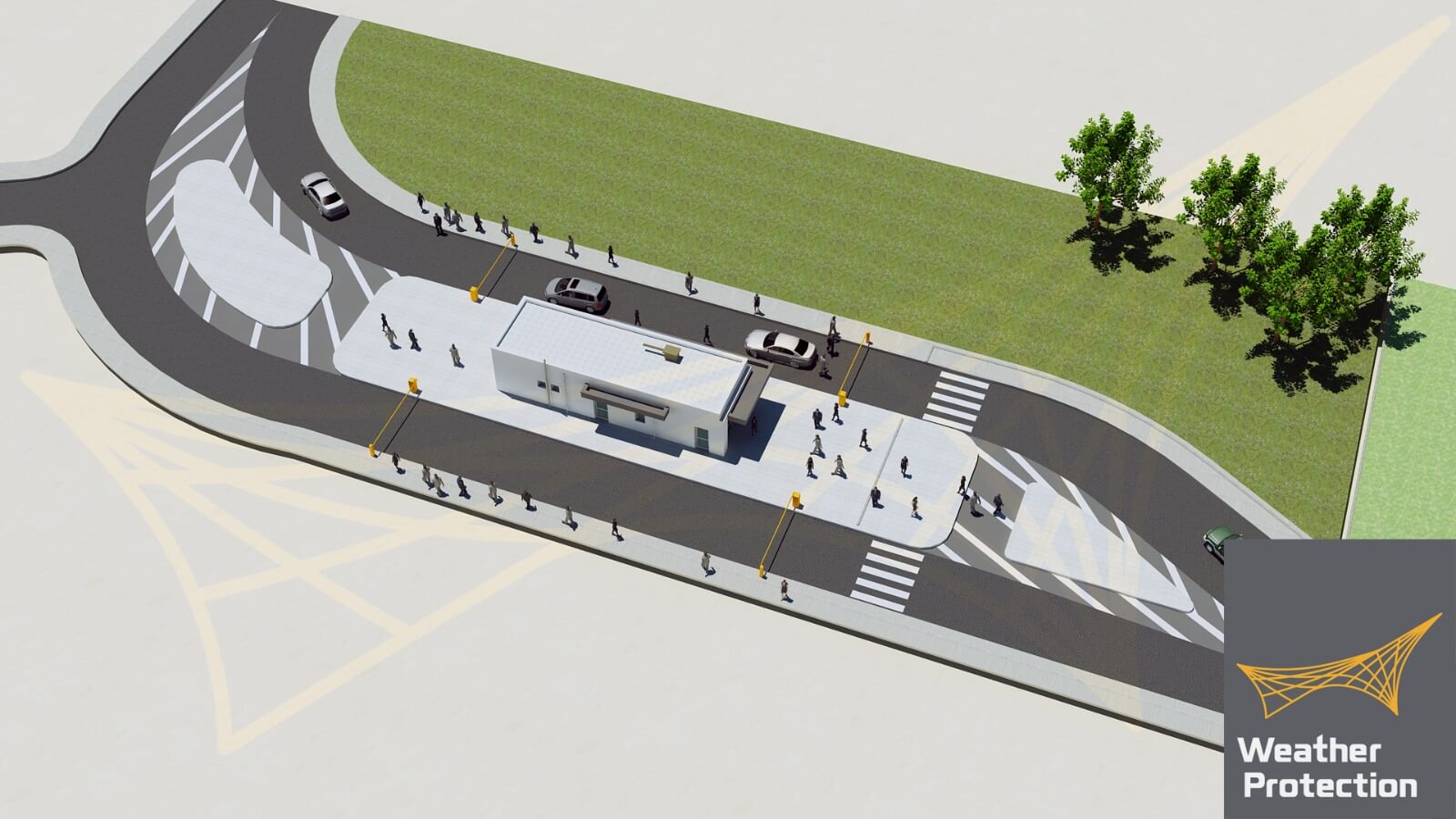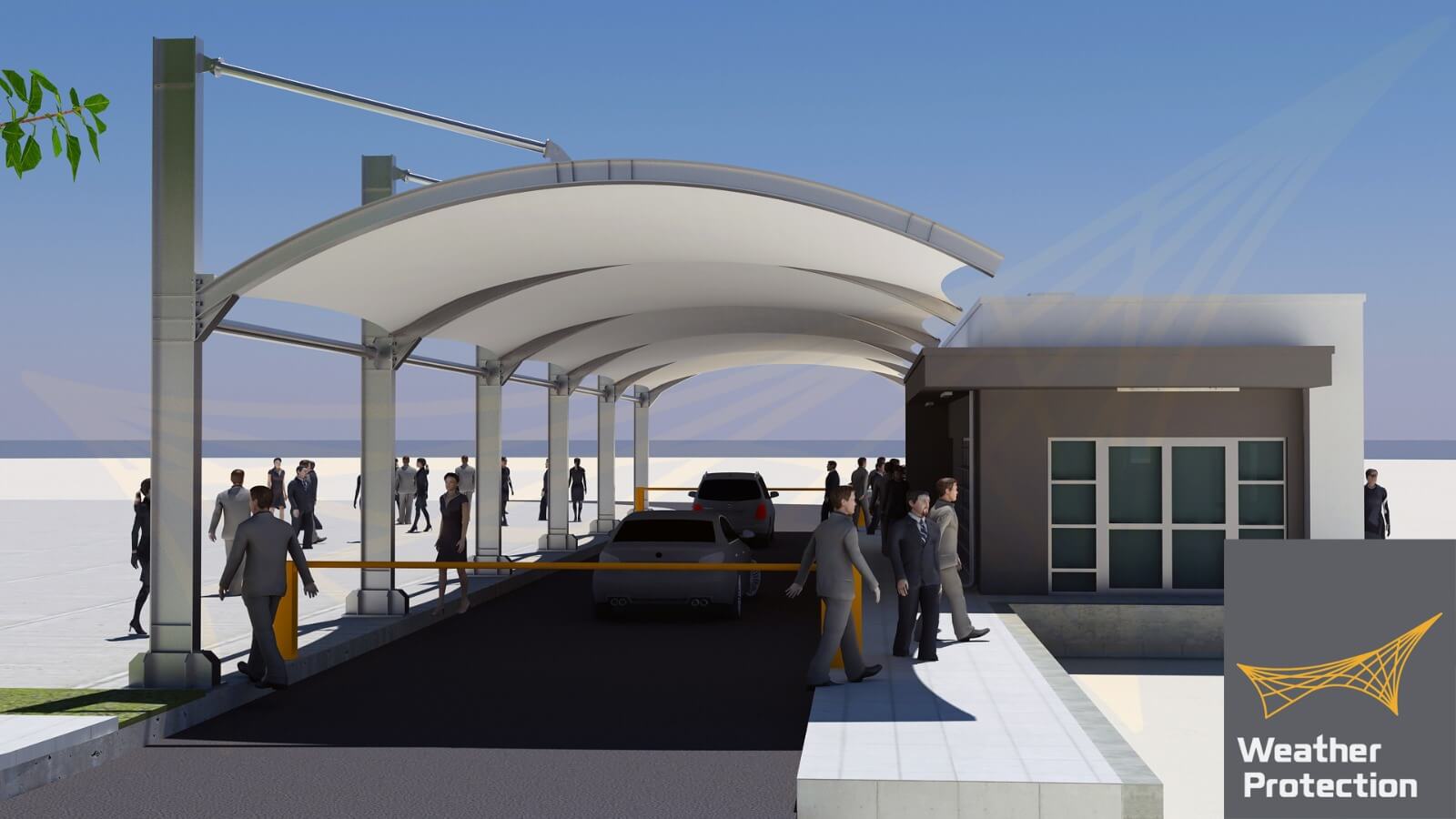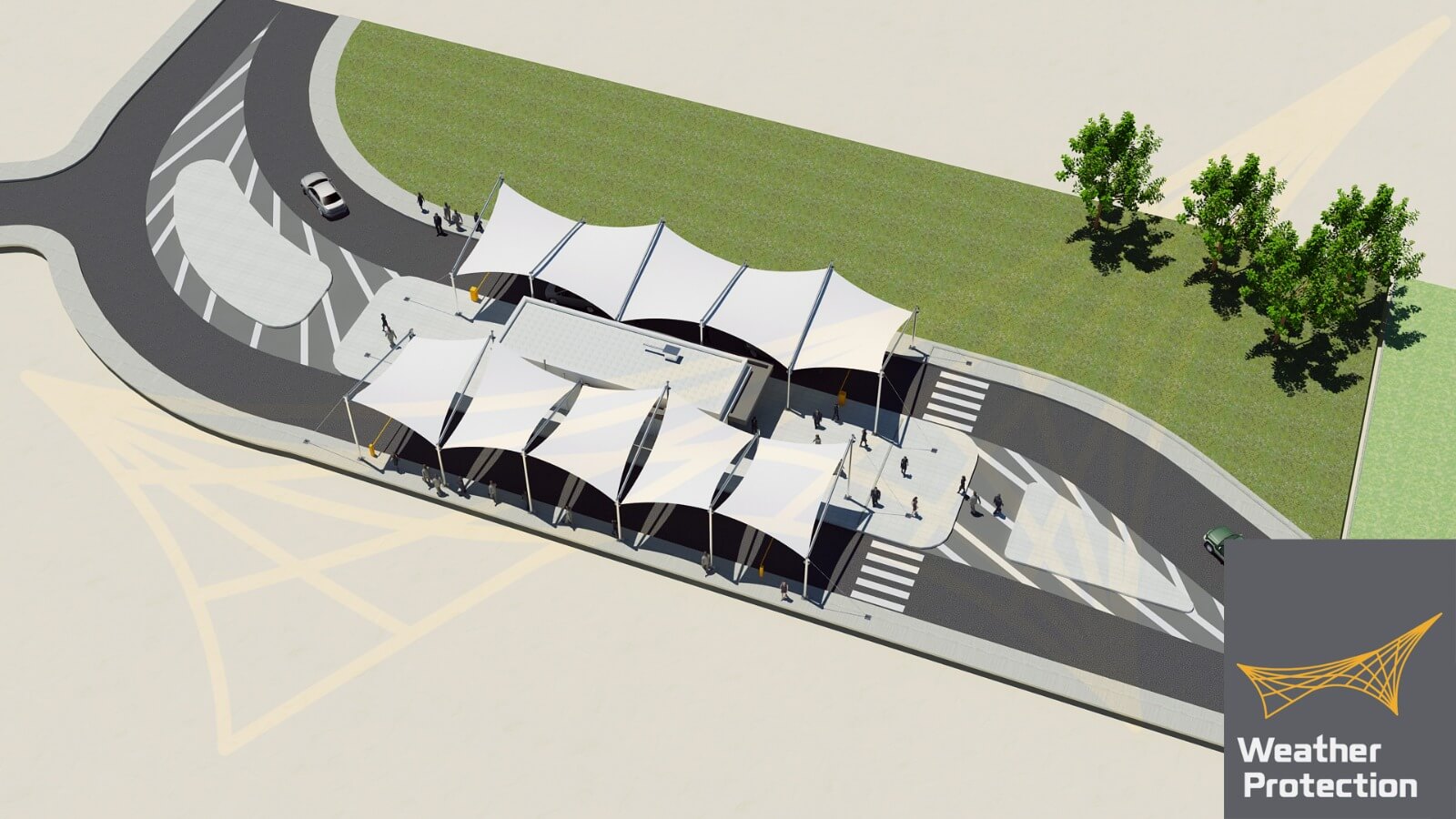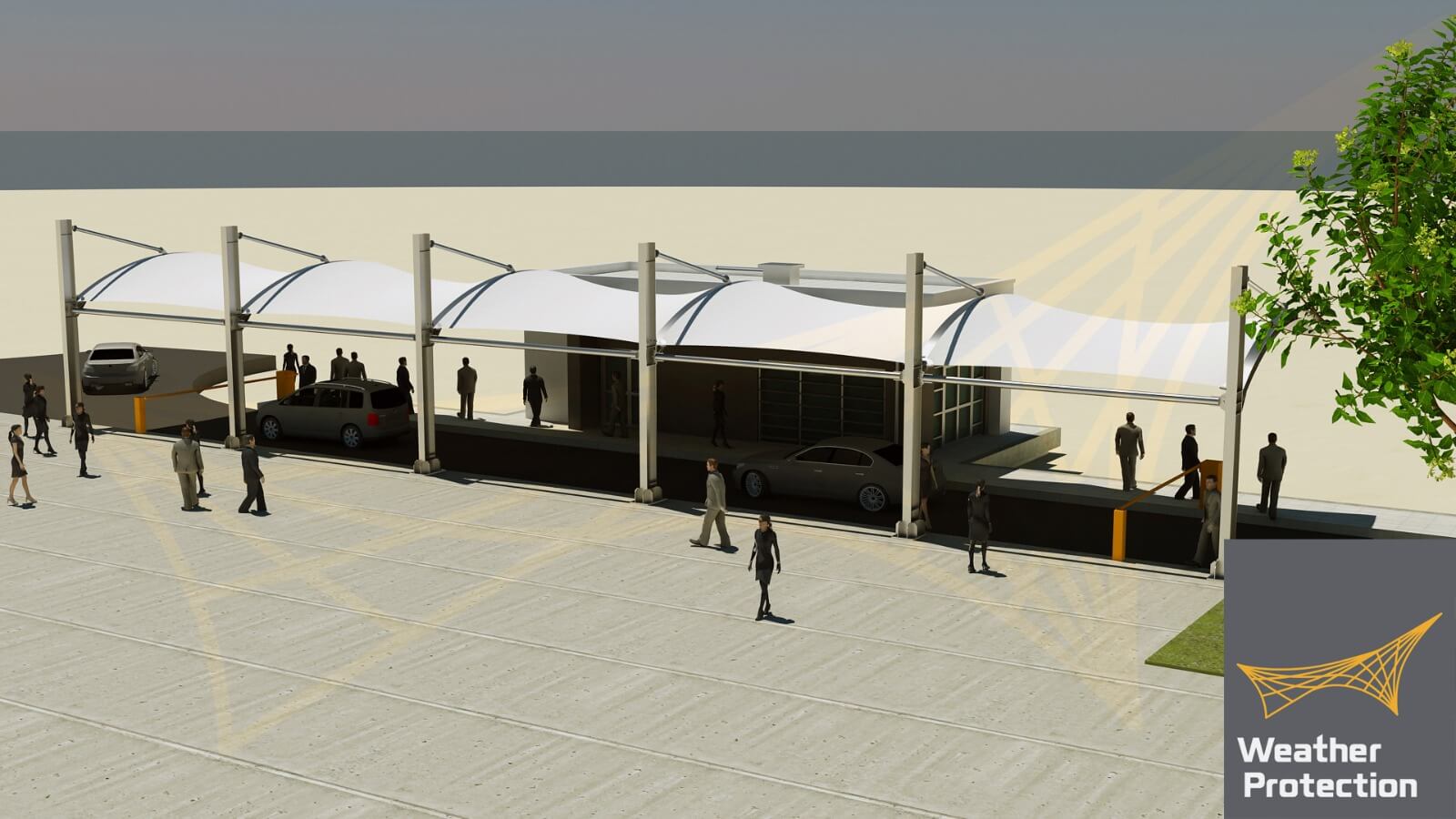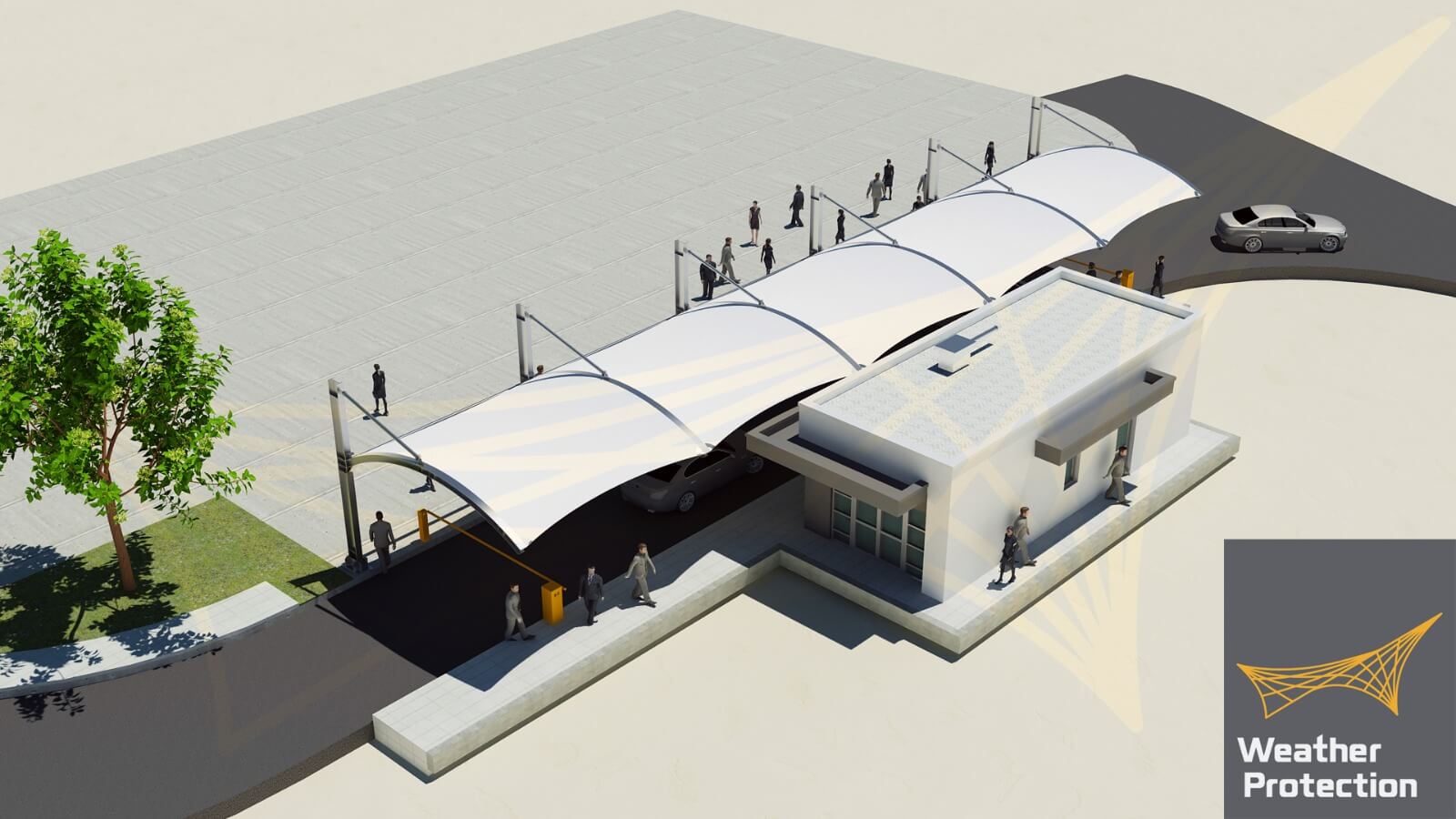
Architectural PVC shading constructions
Architectural PVC shading constructions
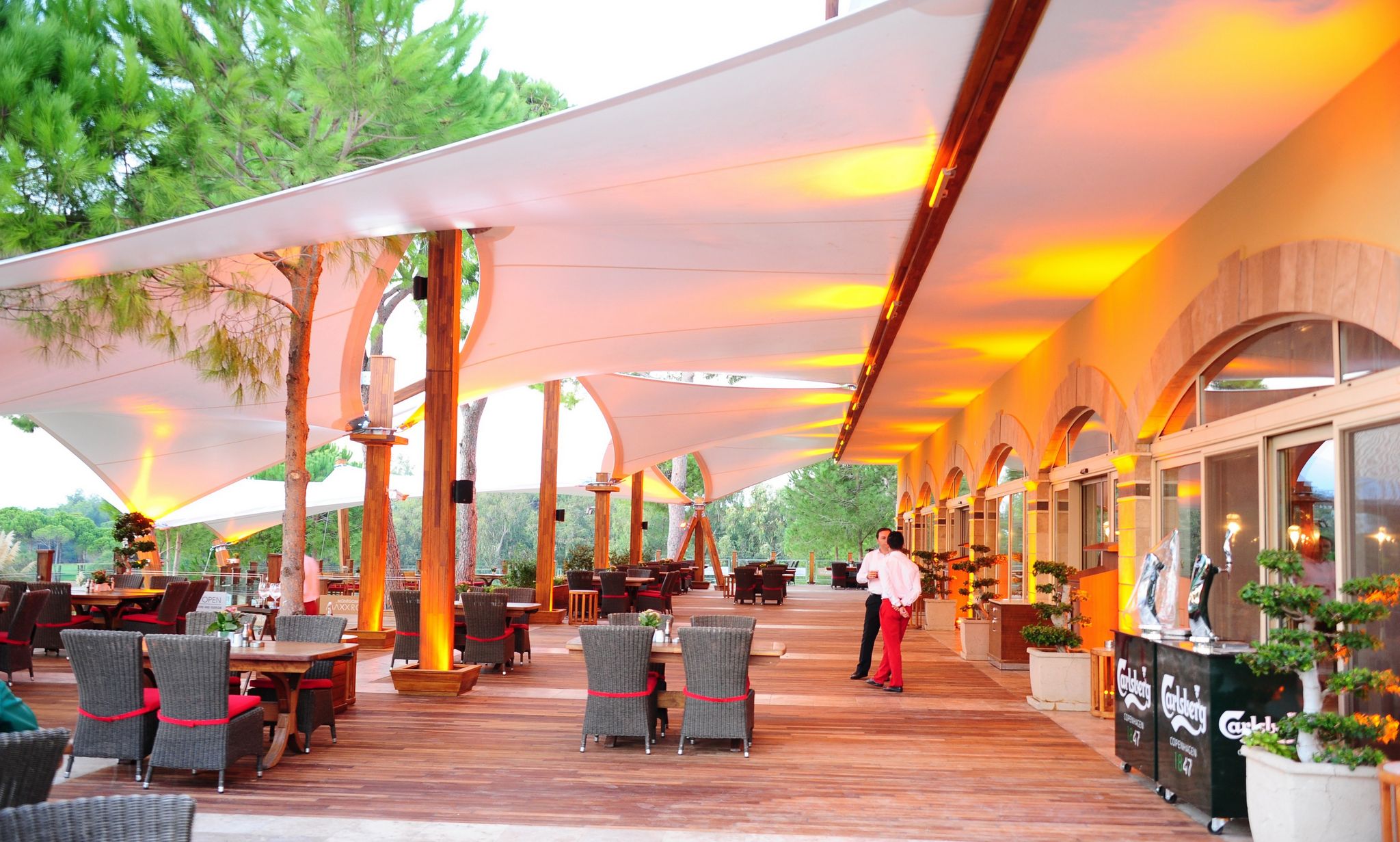
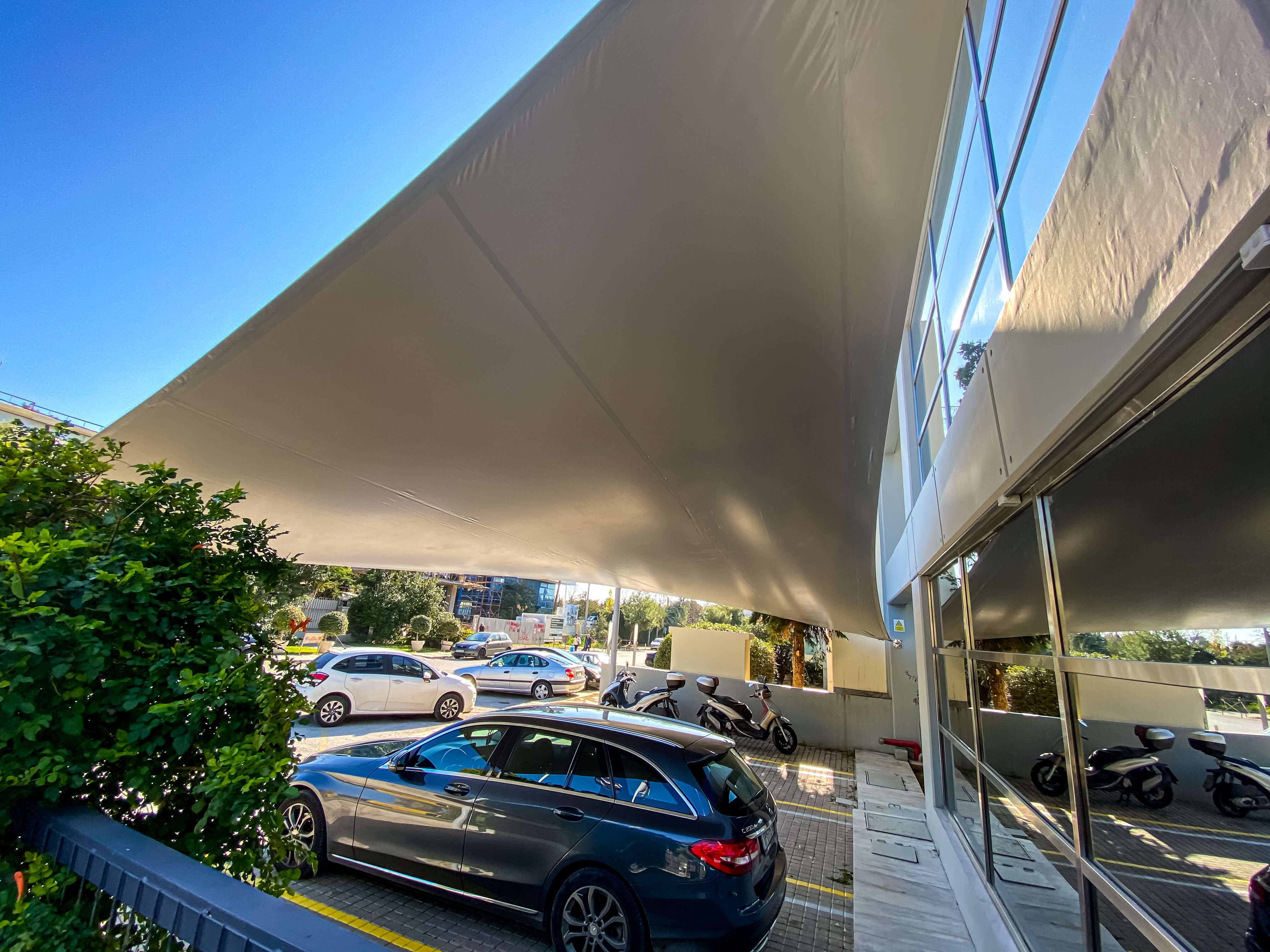
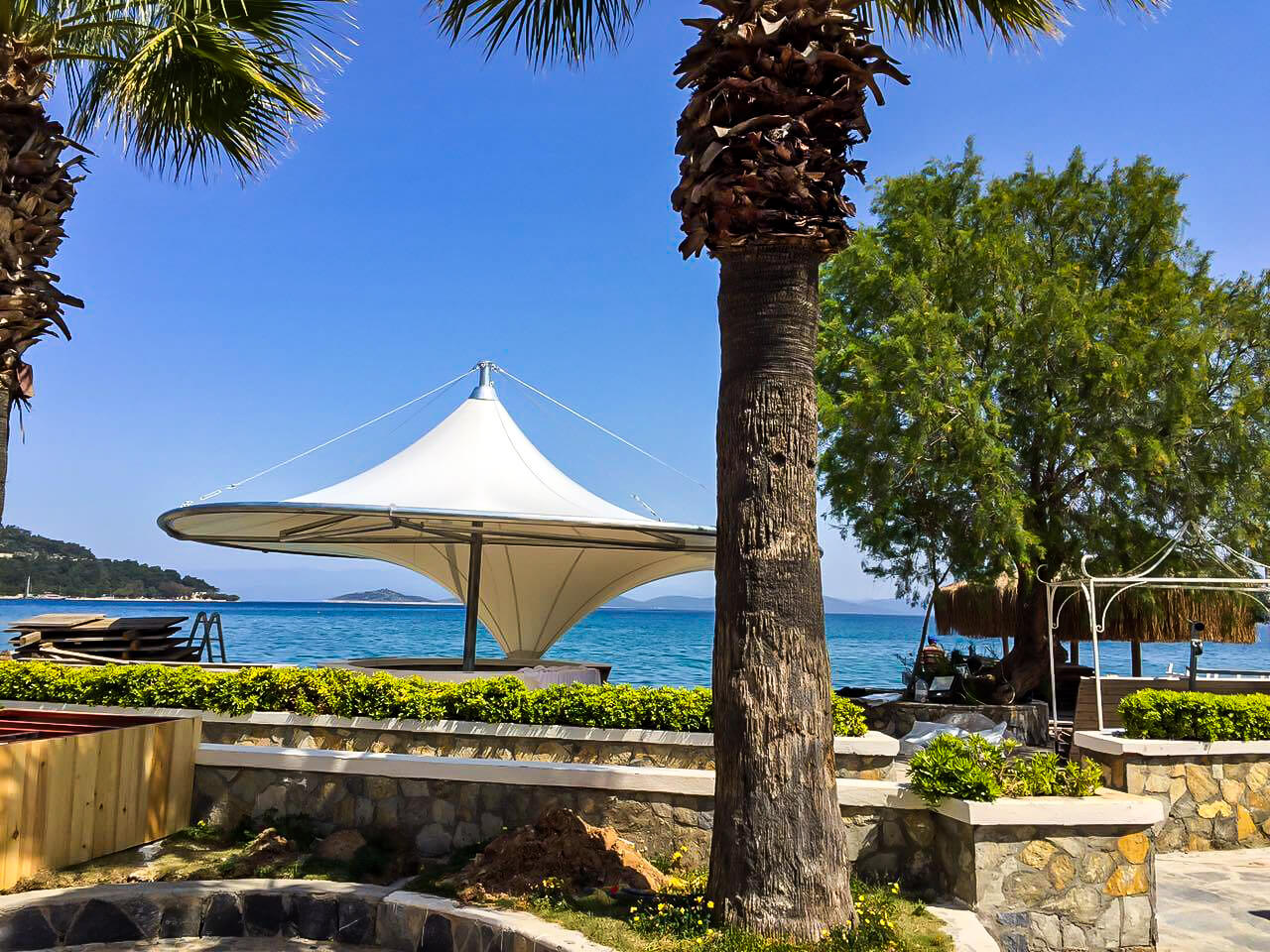
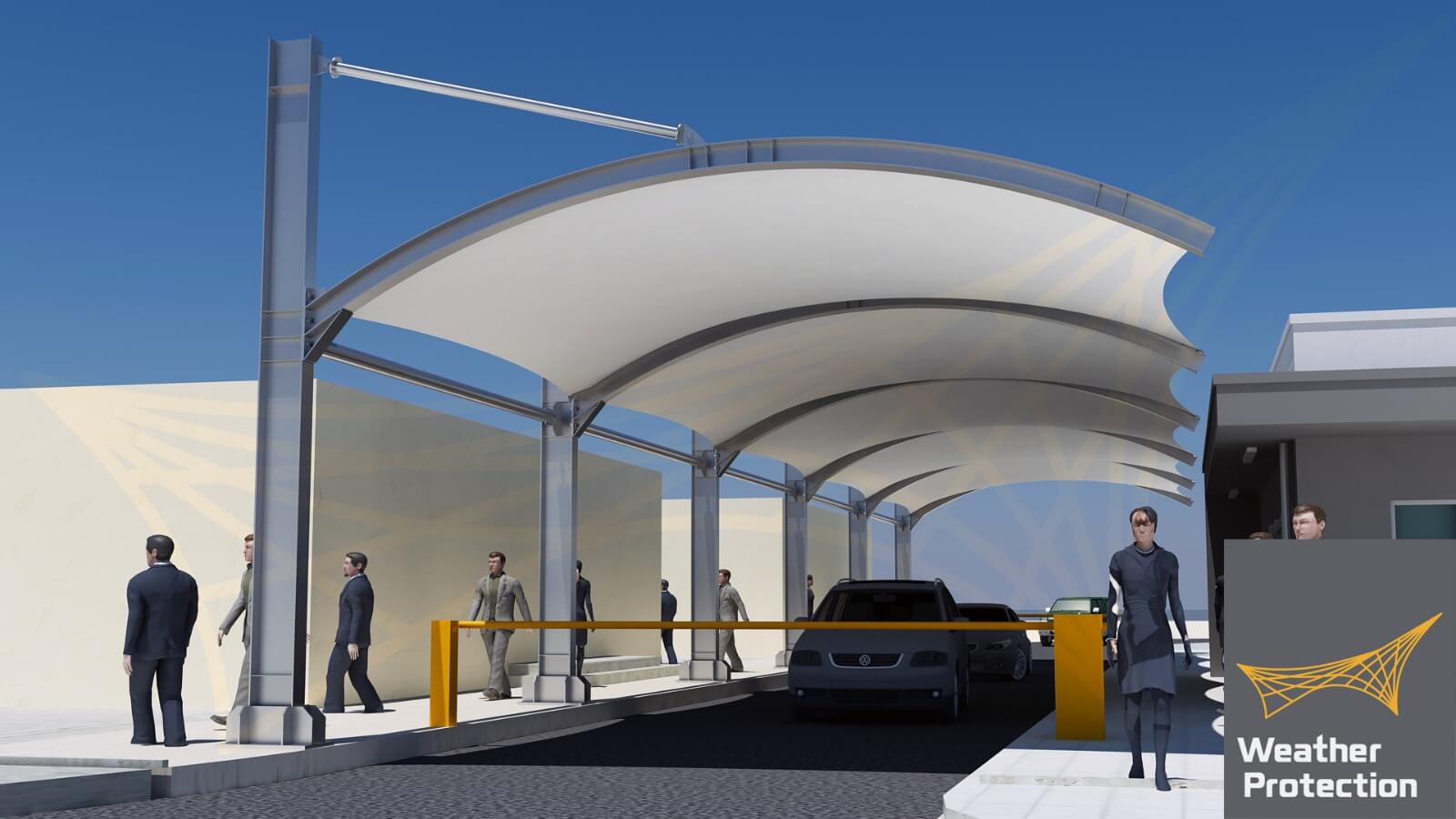
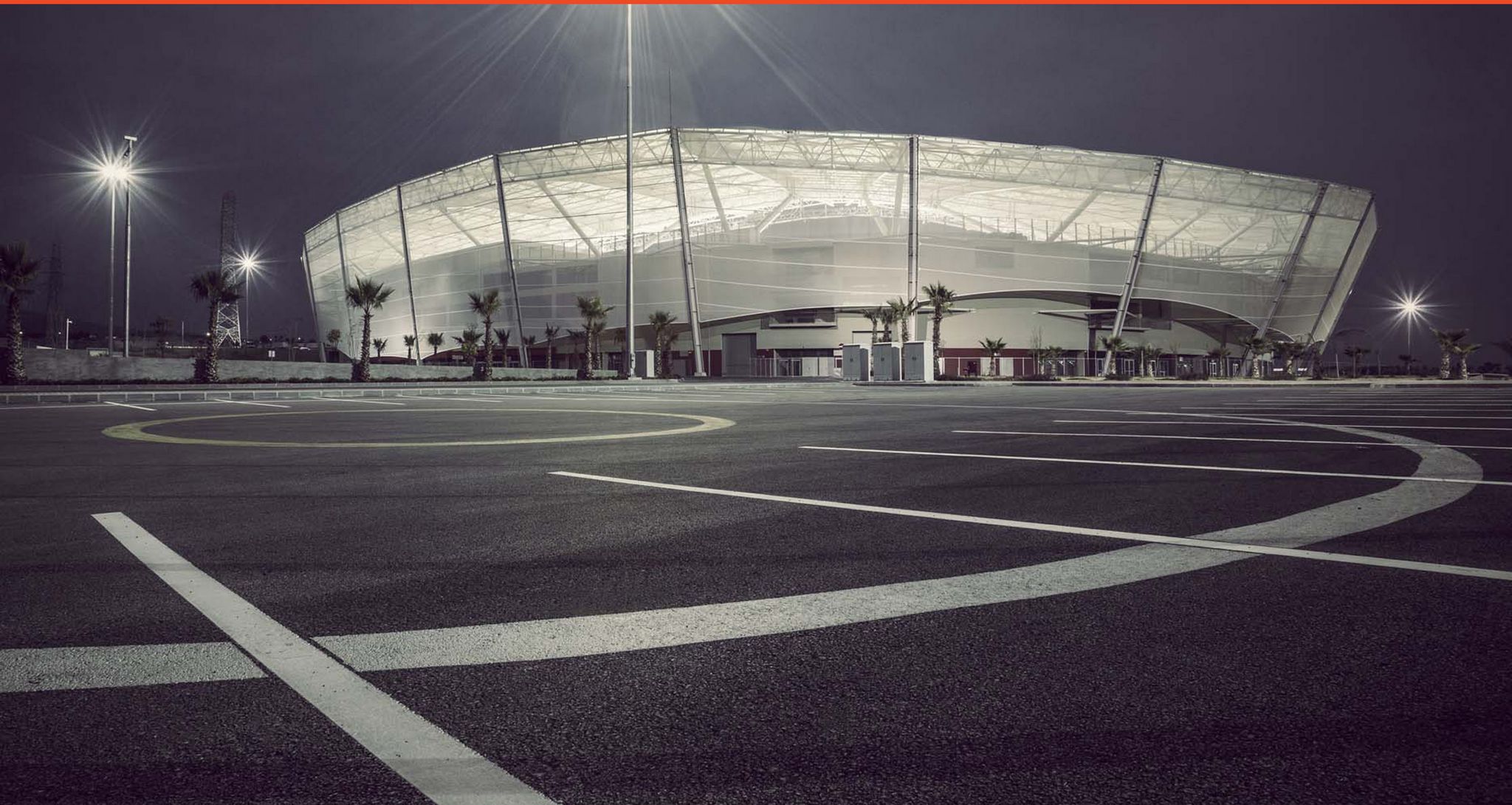
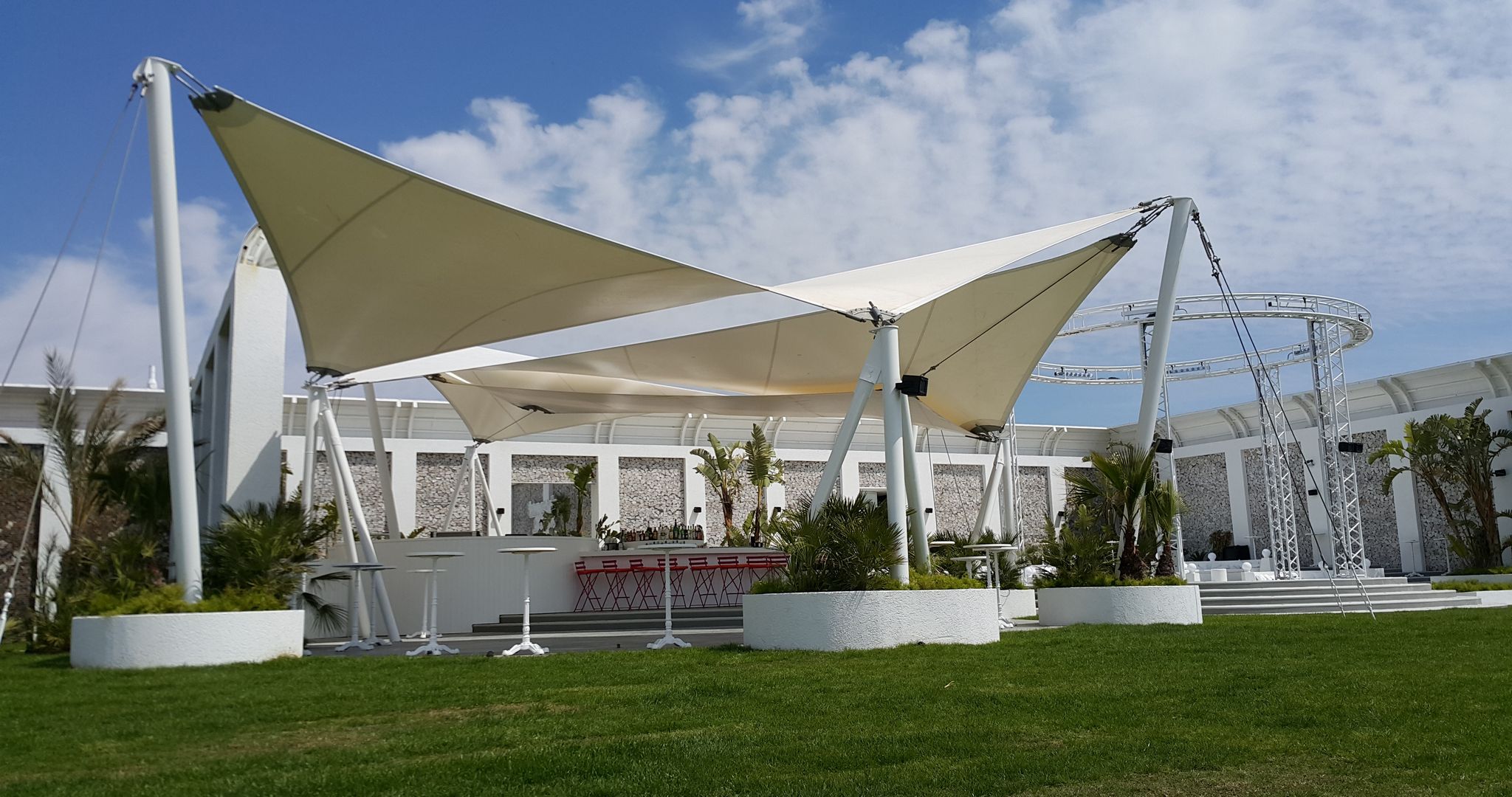
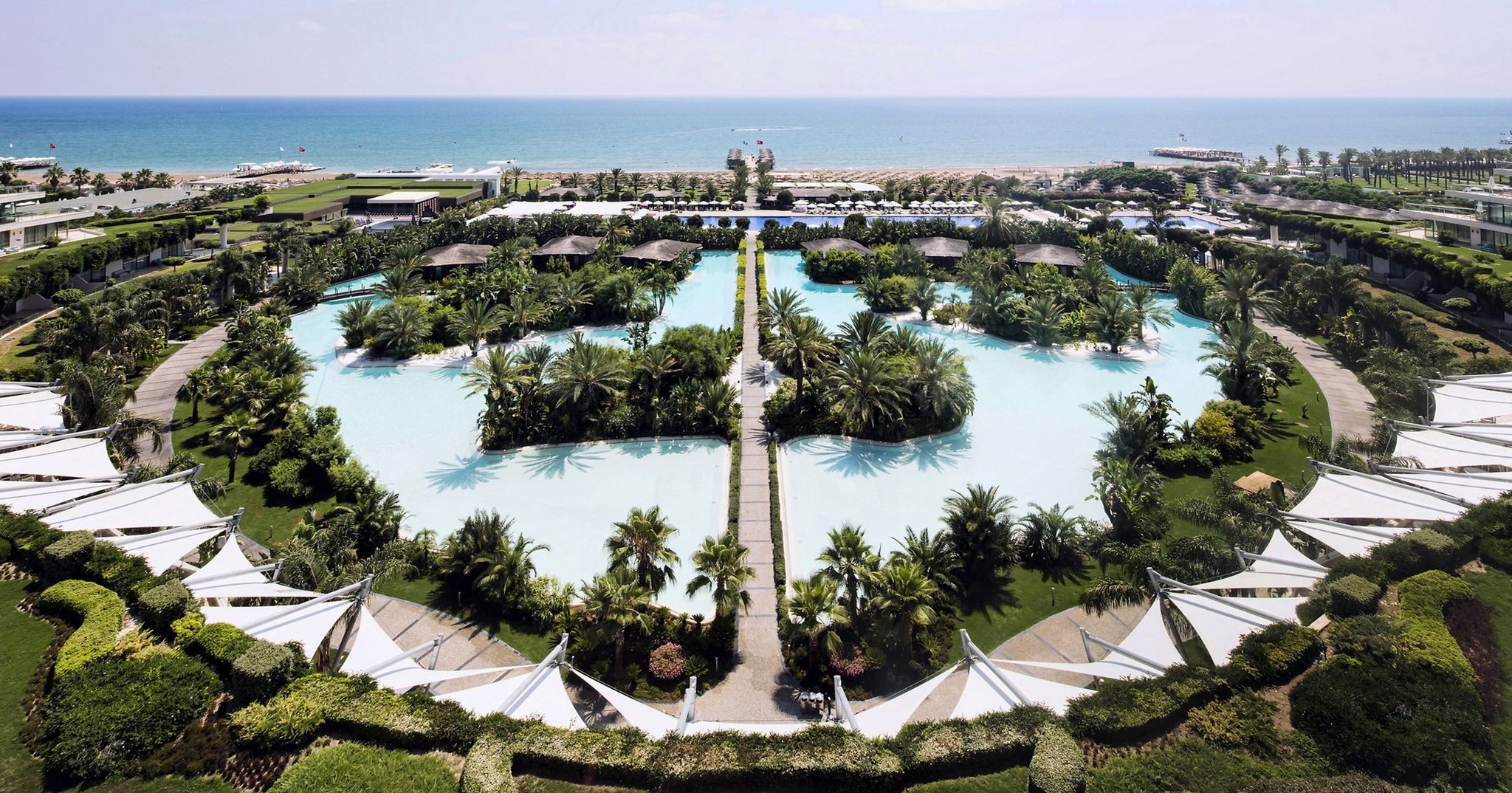
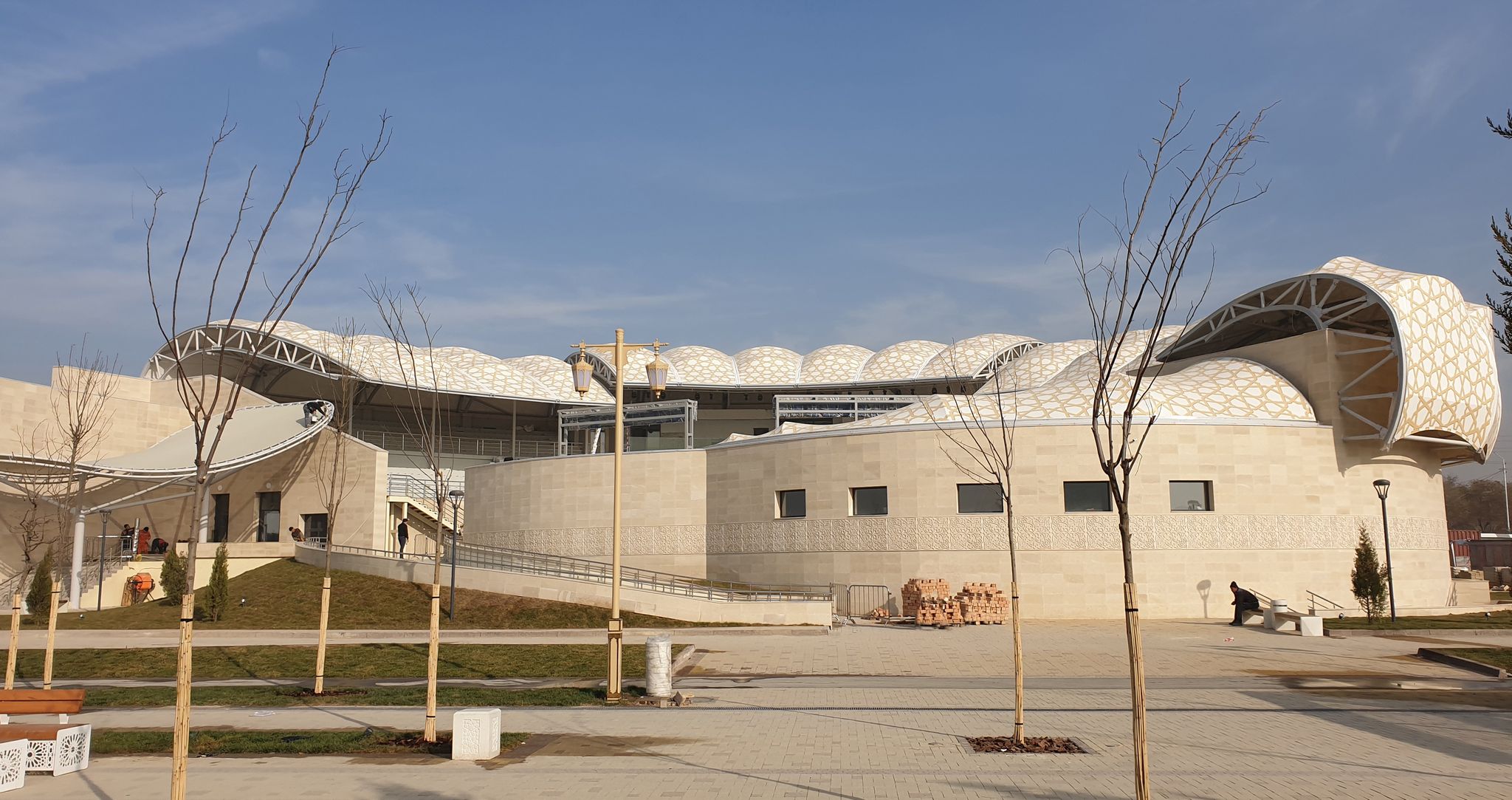
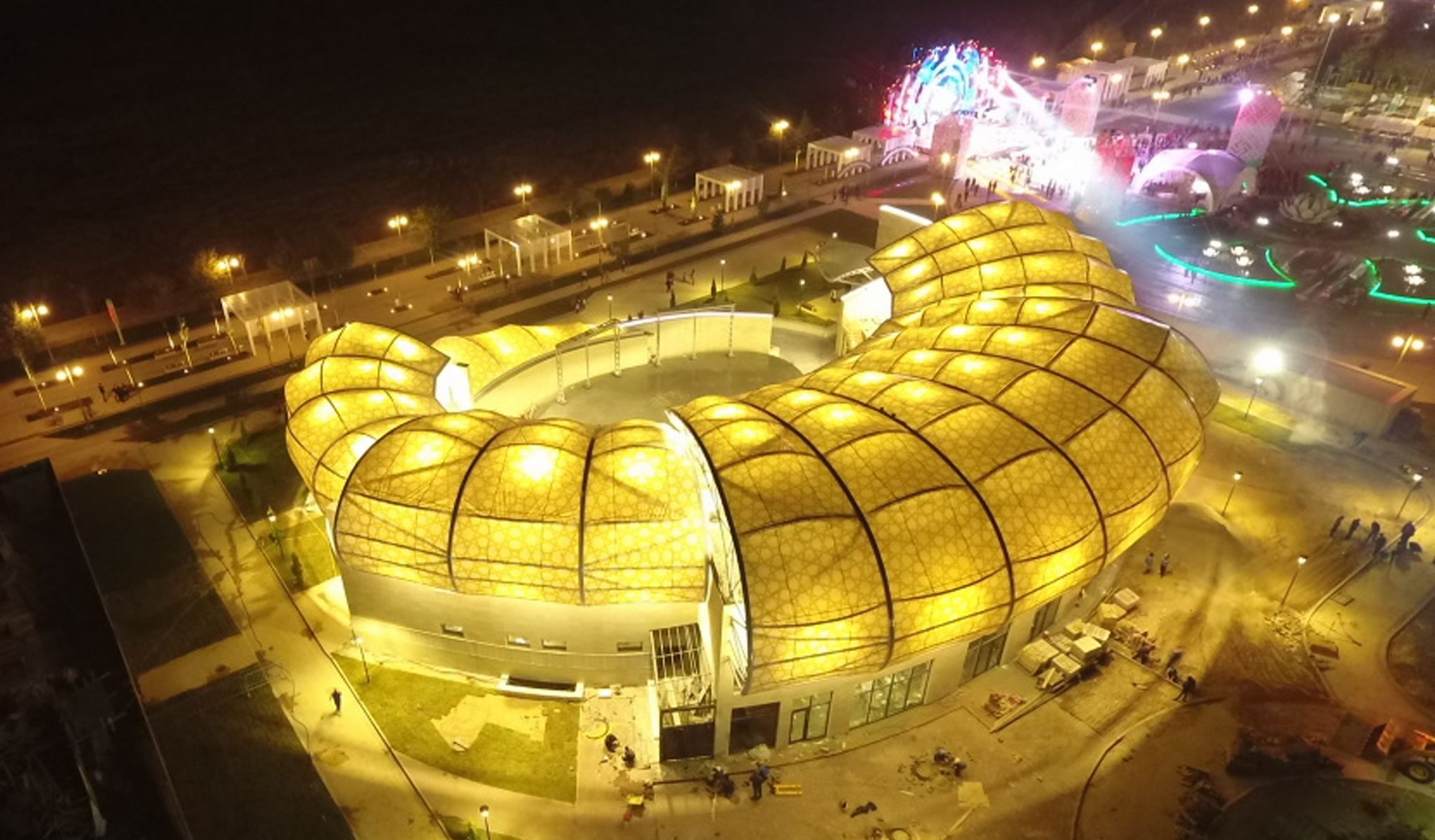
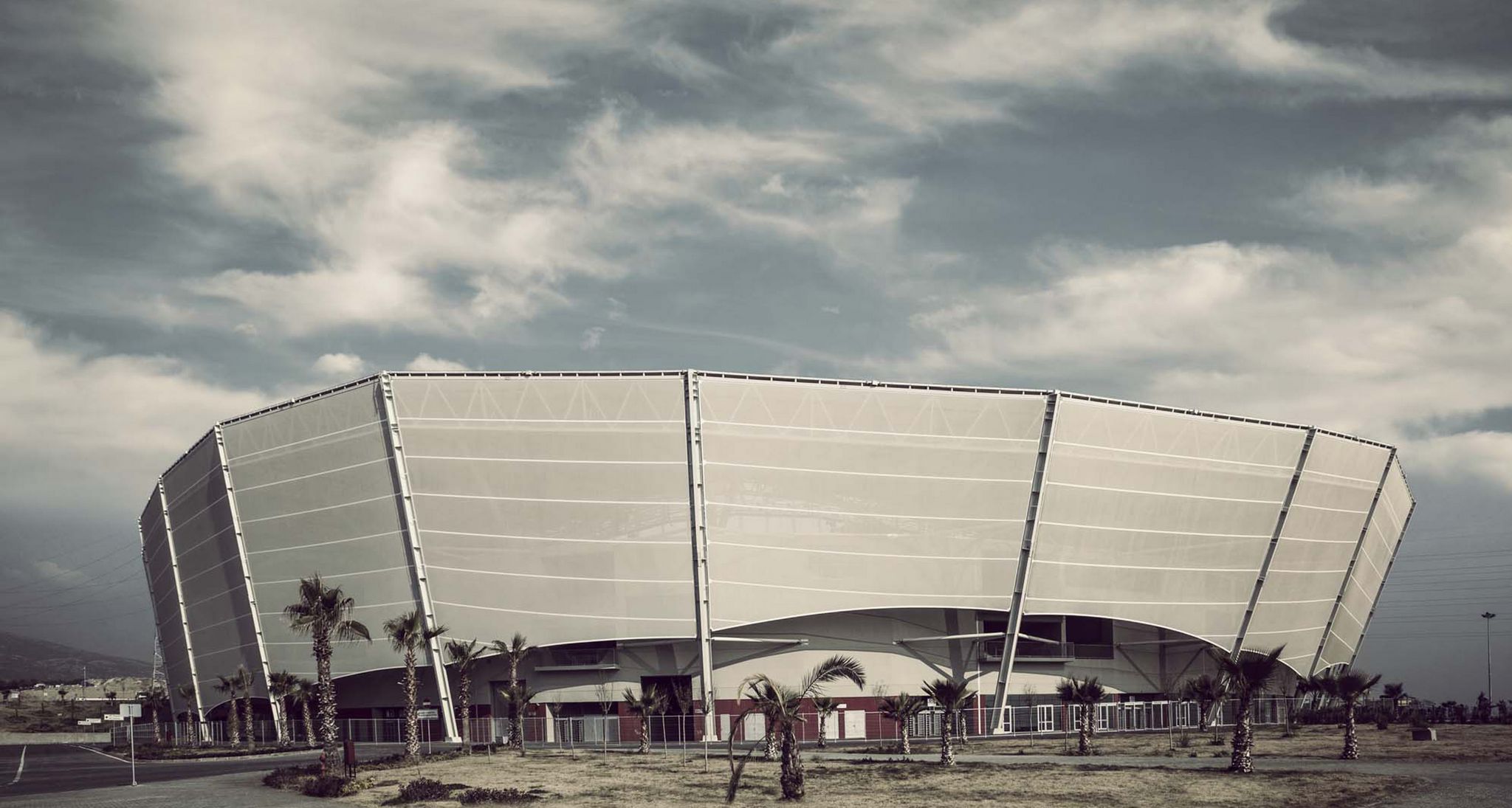
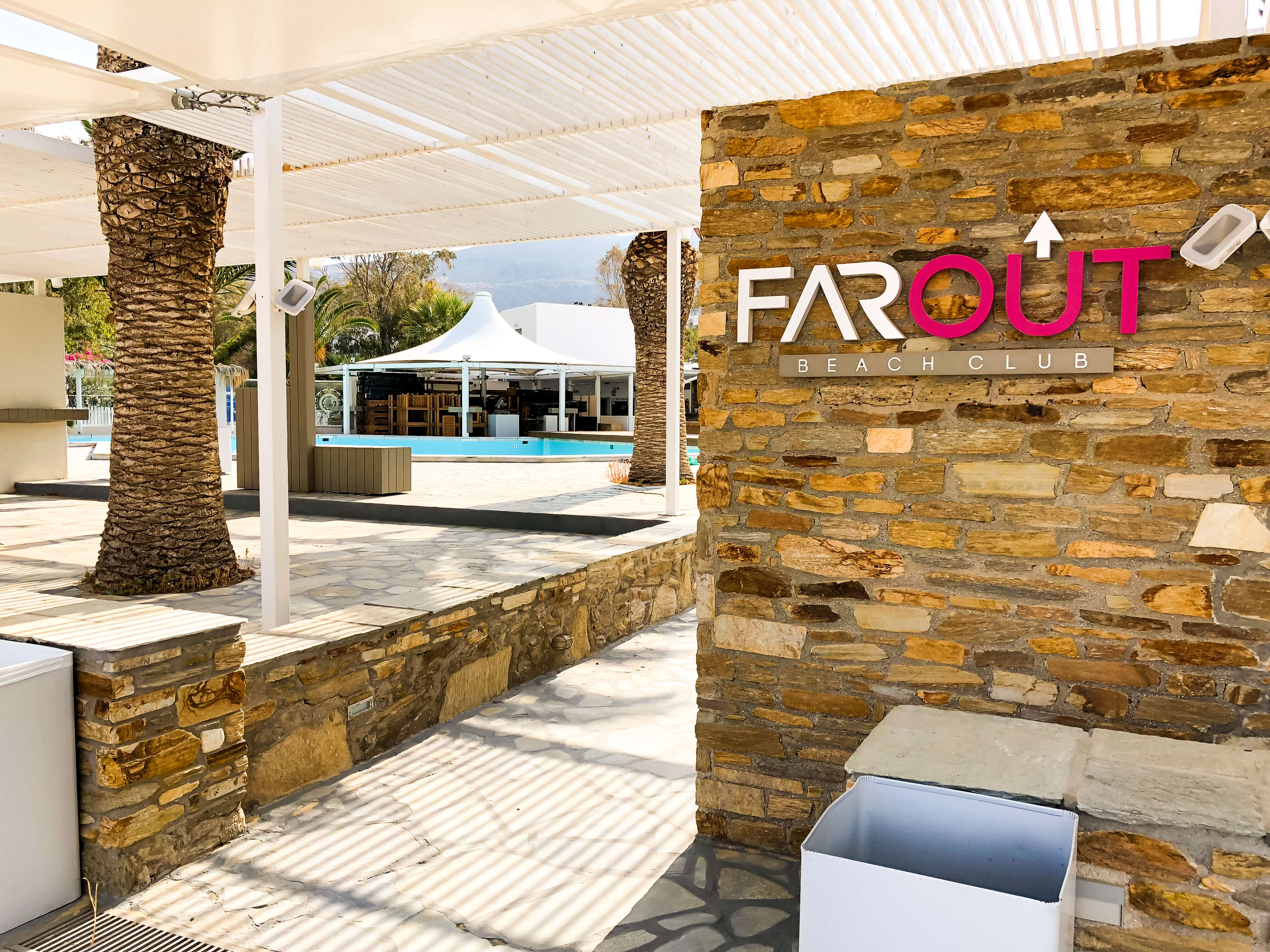
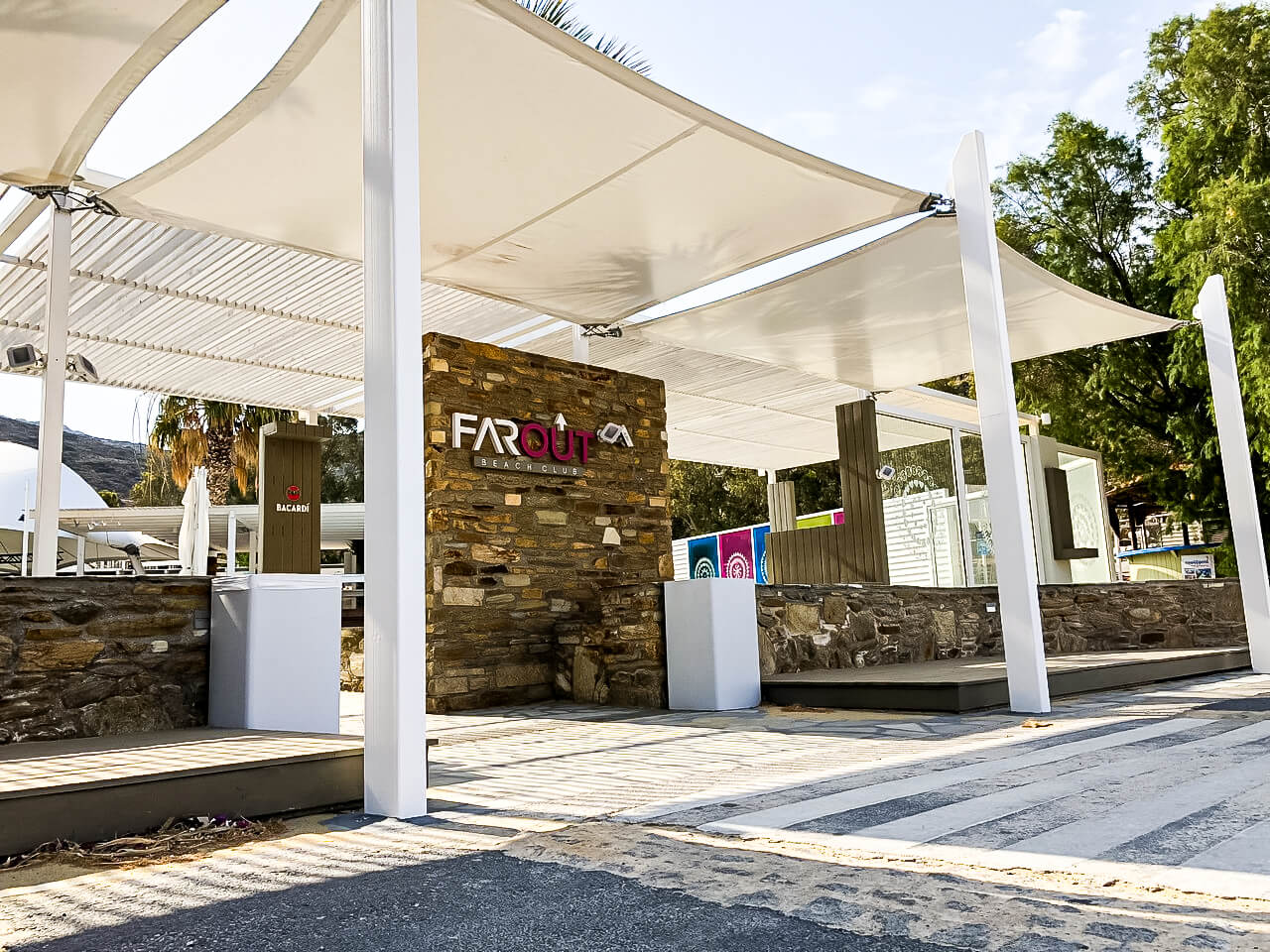
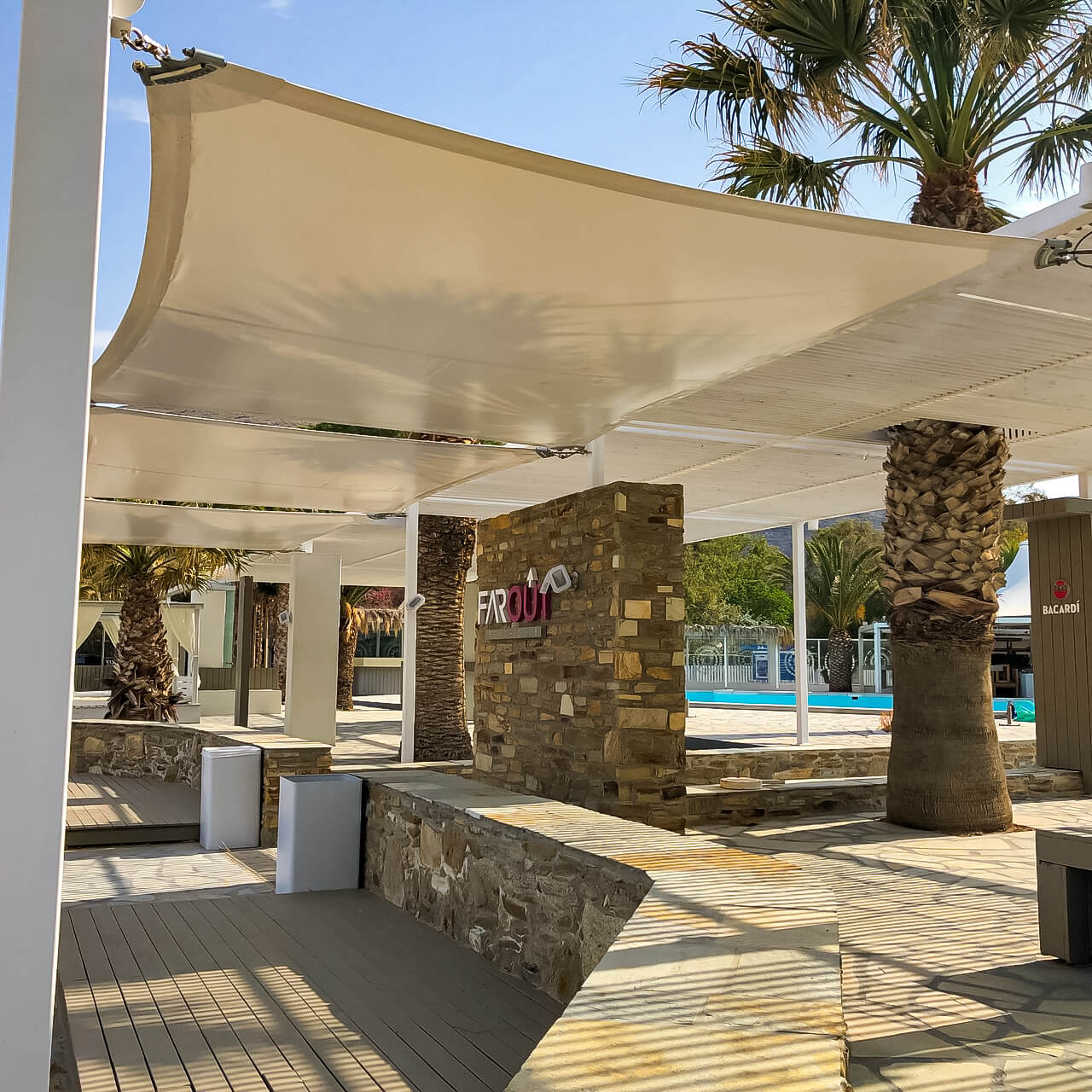
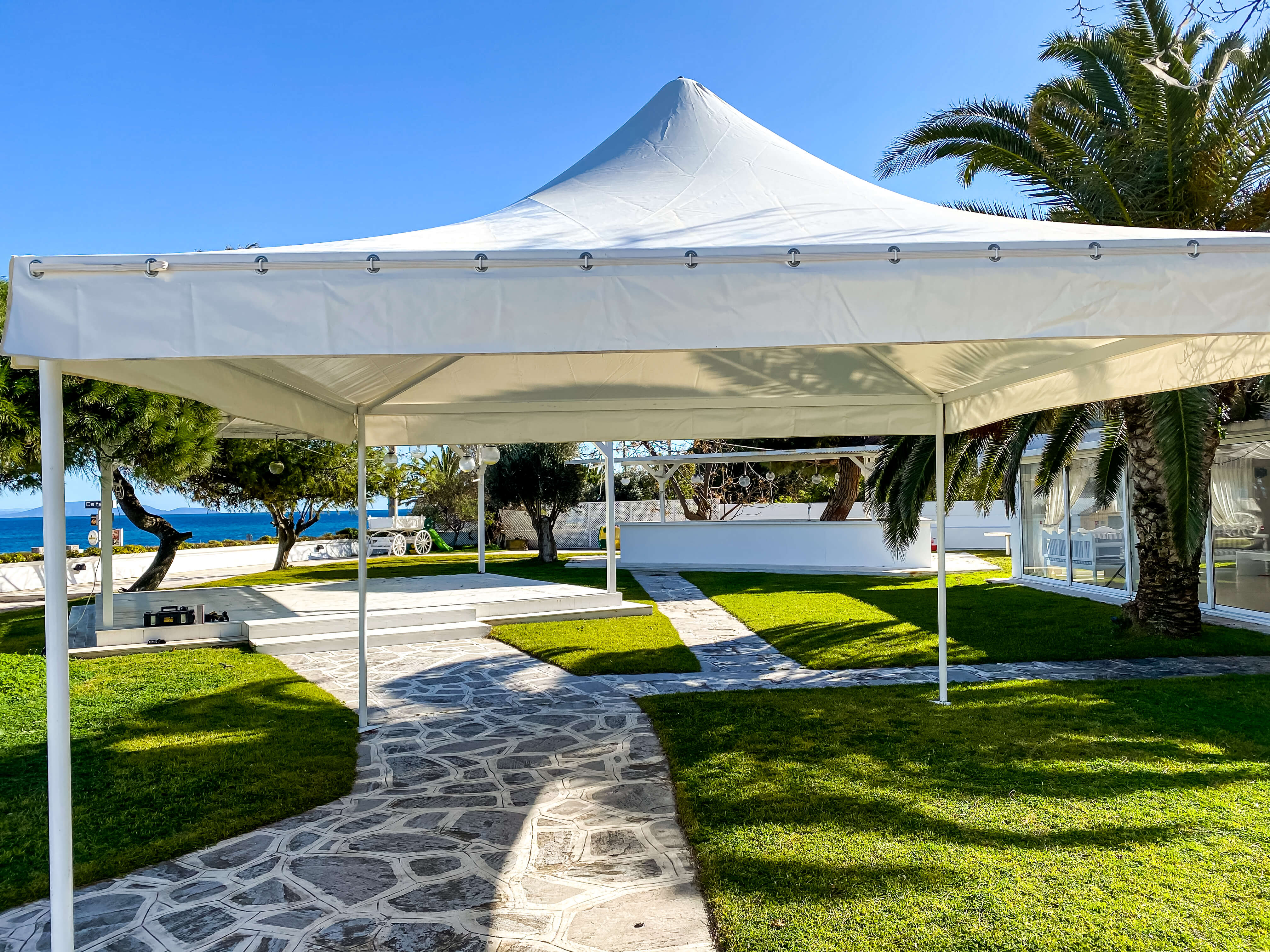
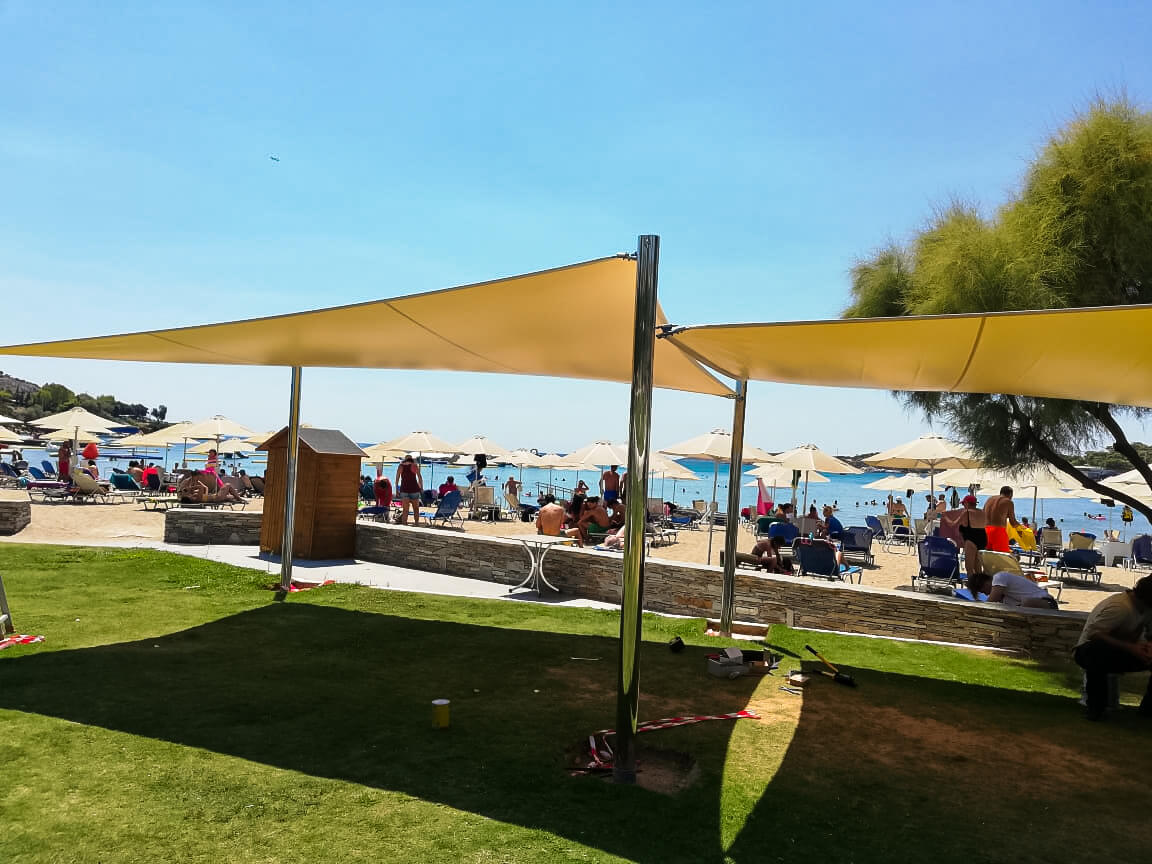
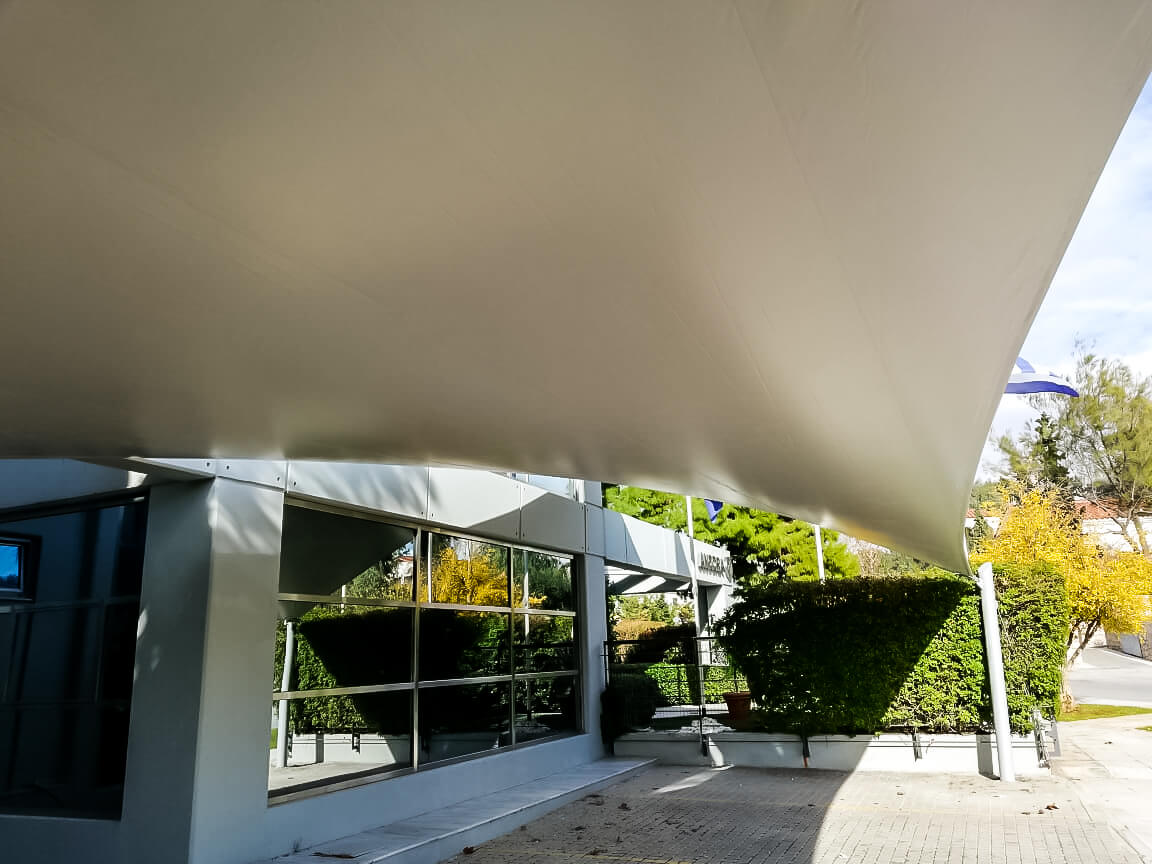
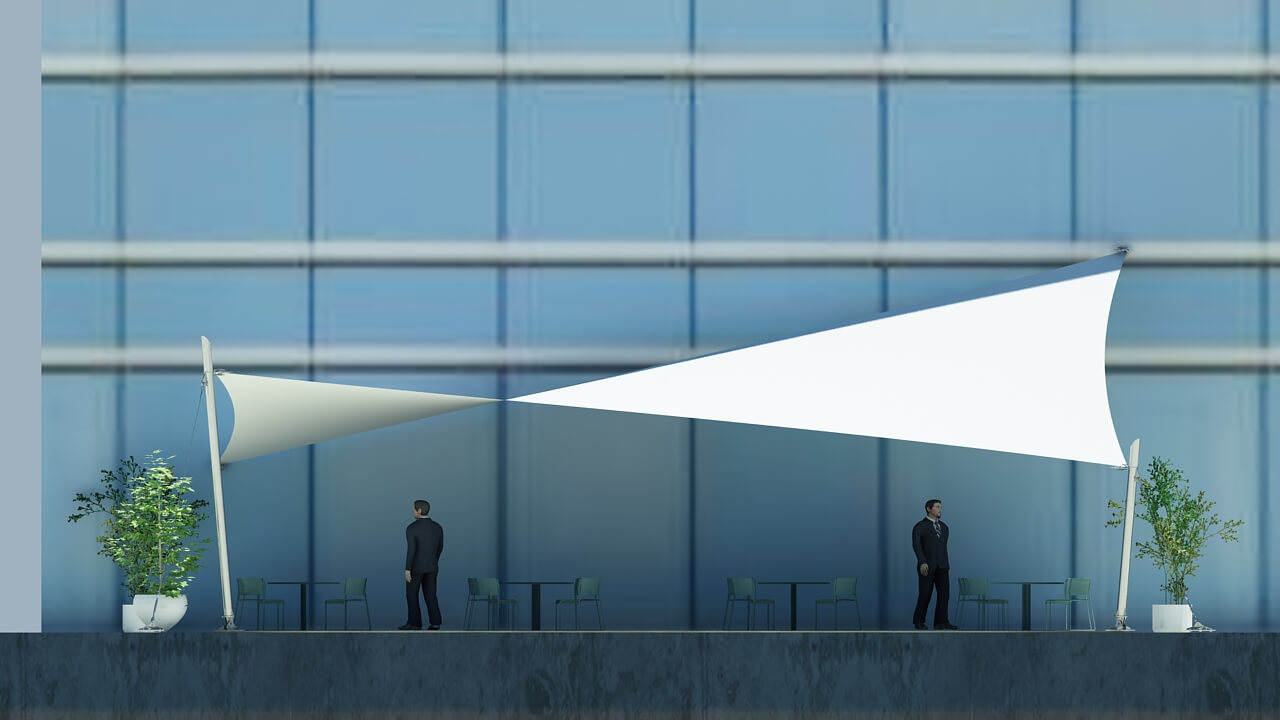
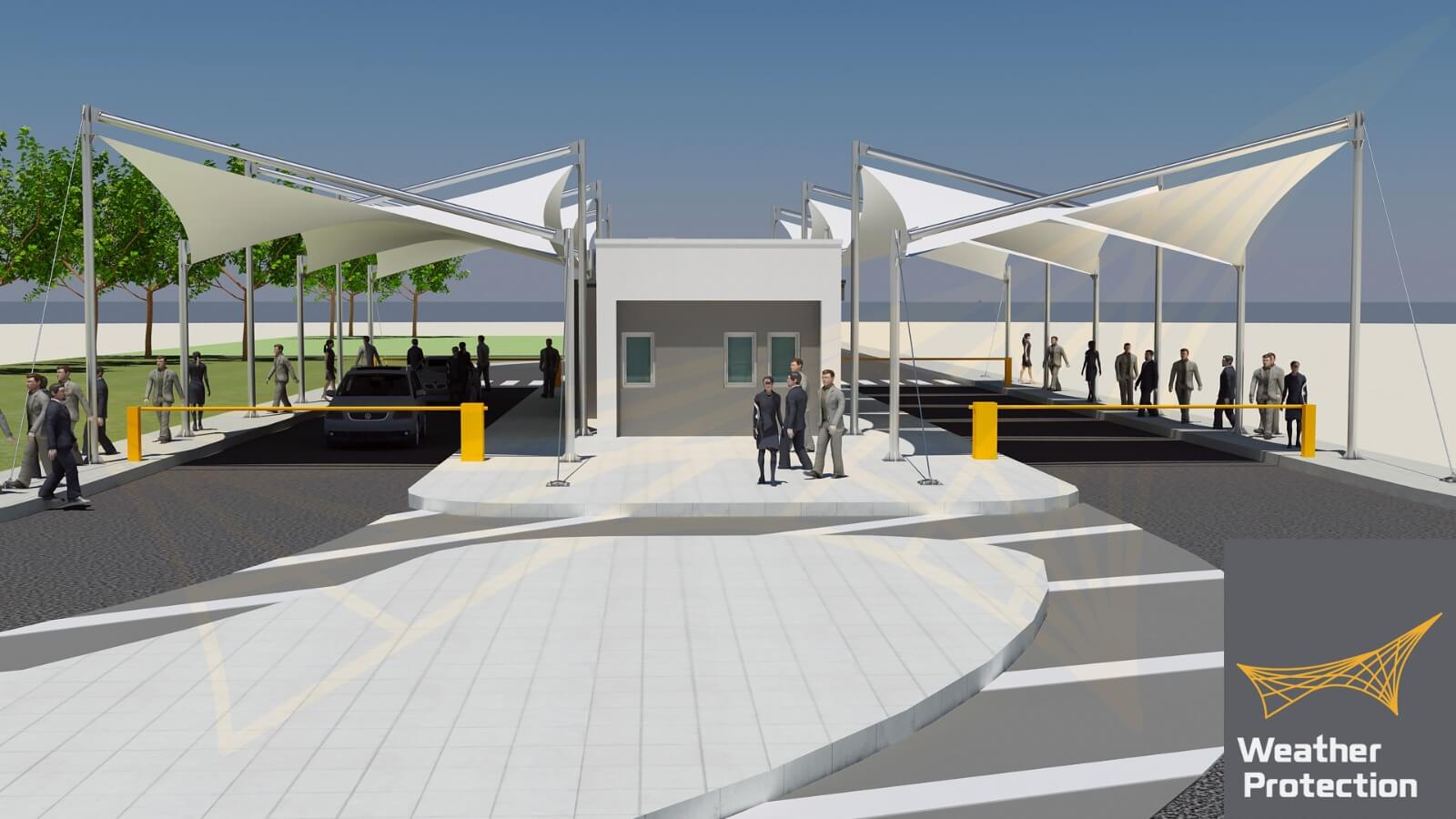
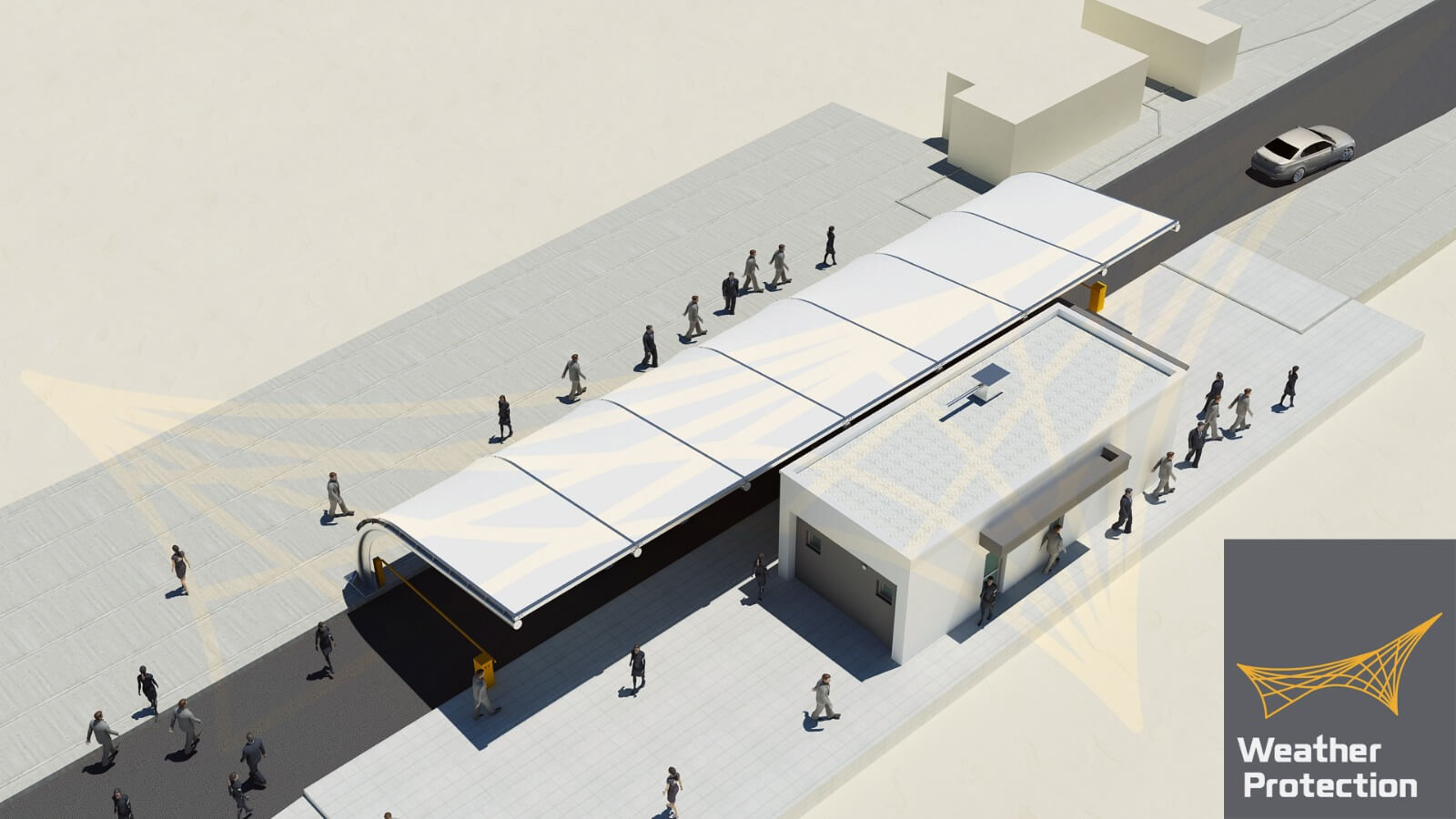
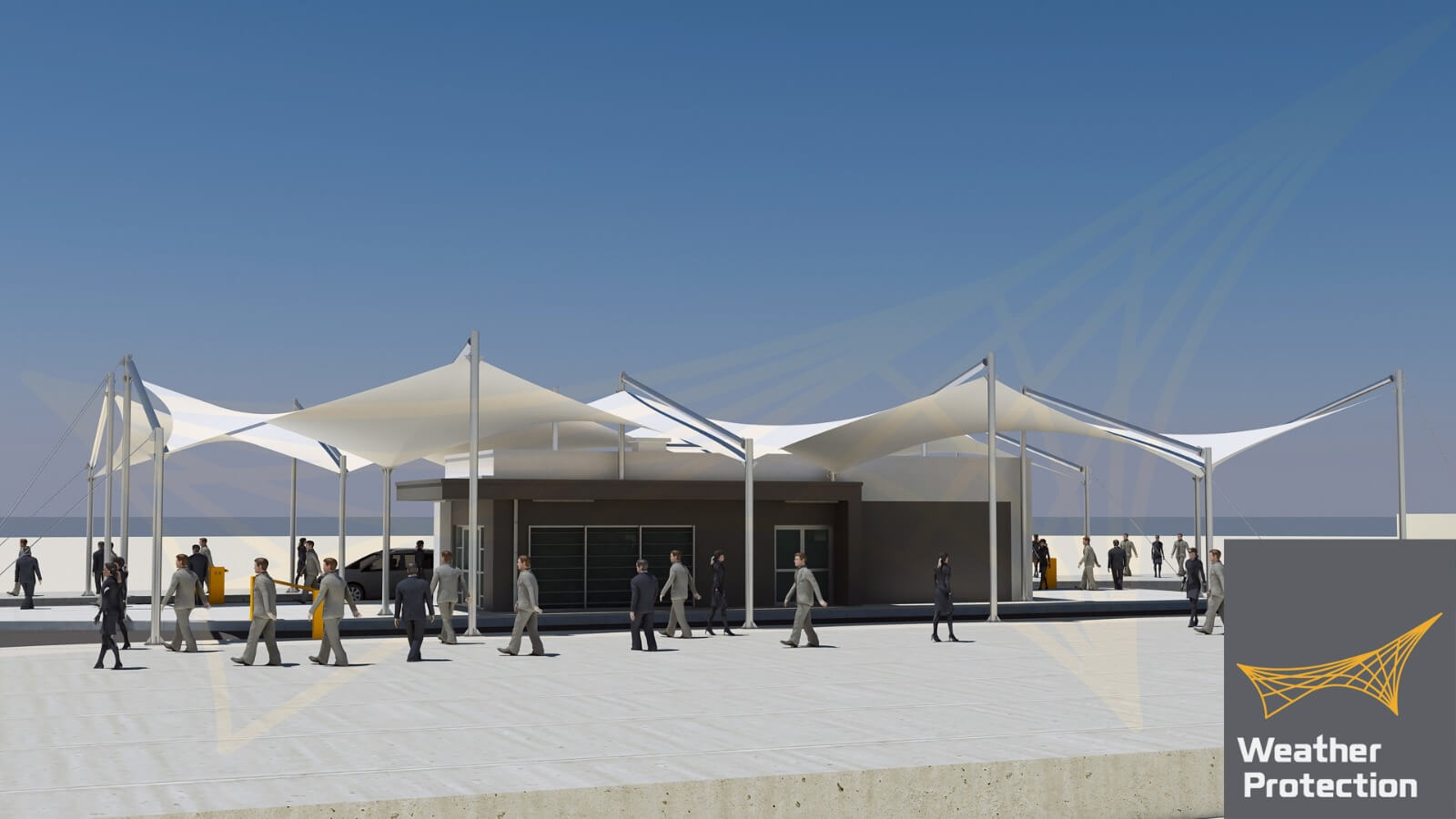
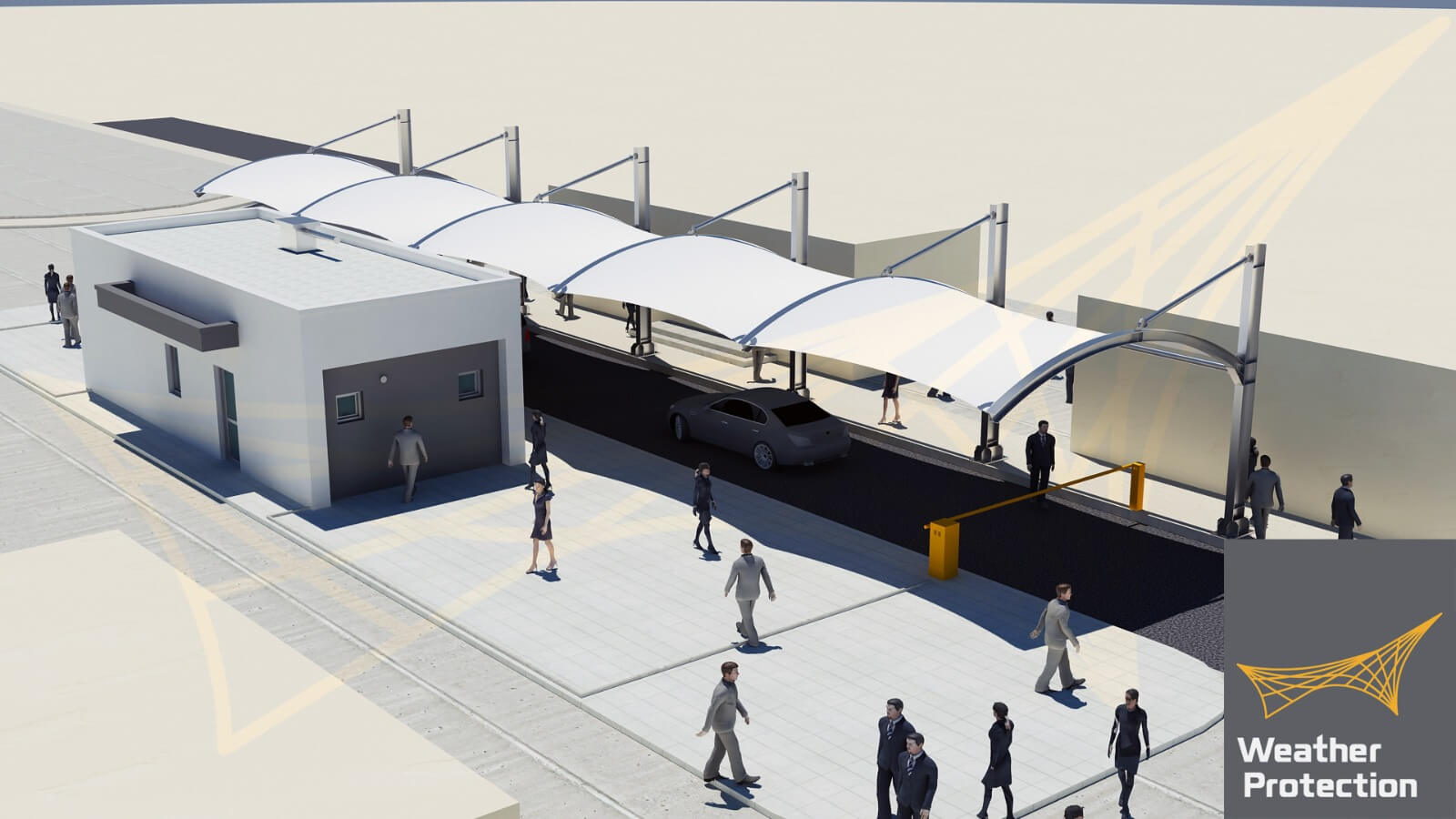
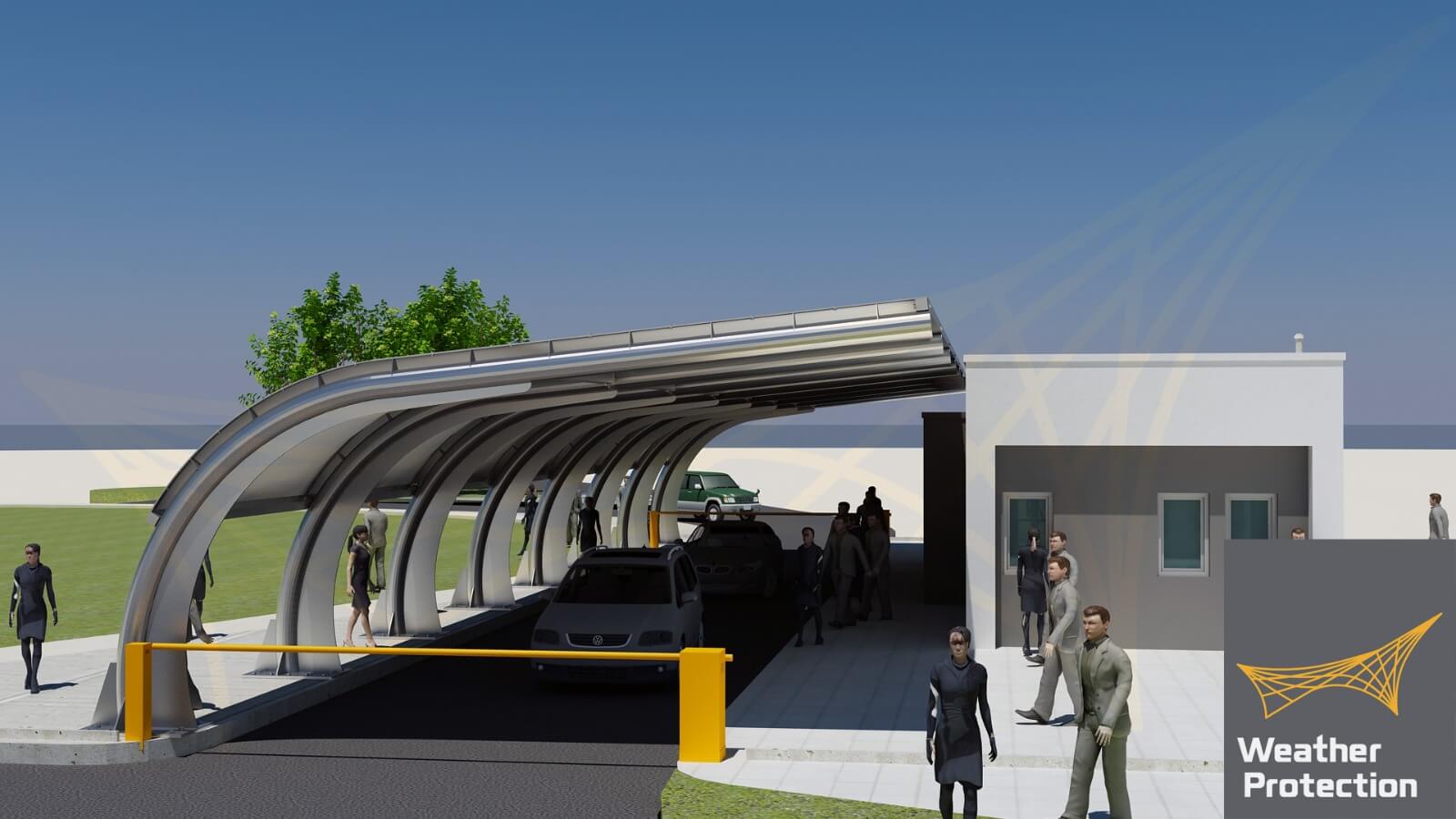
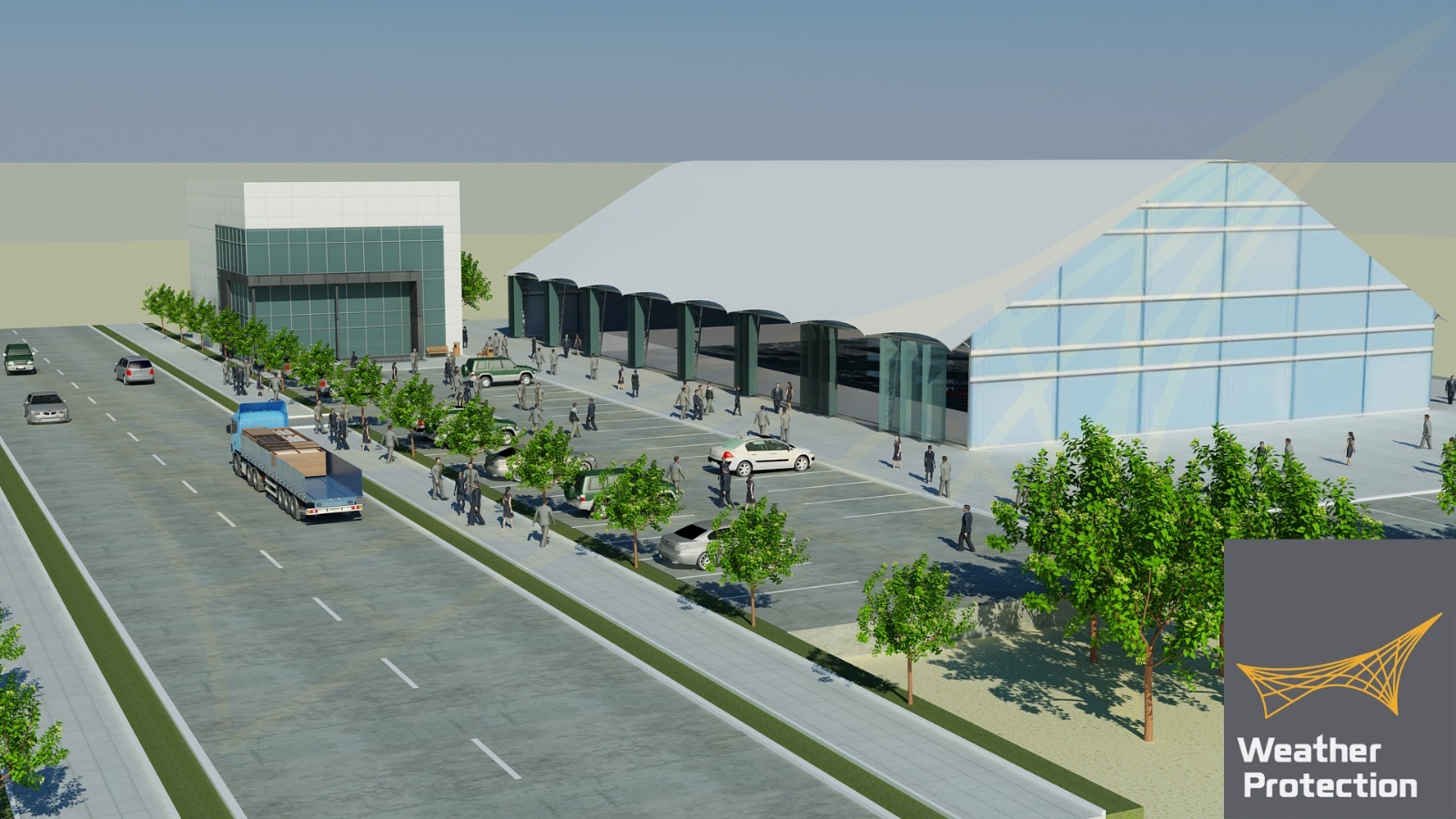
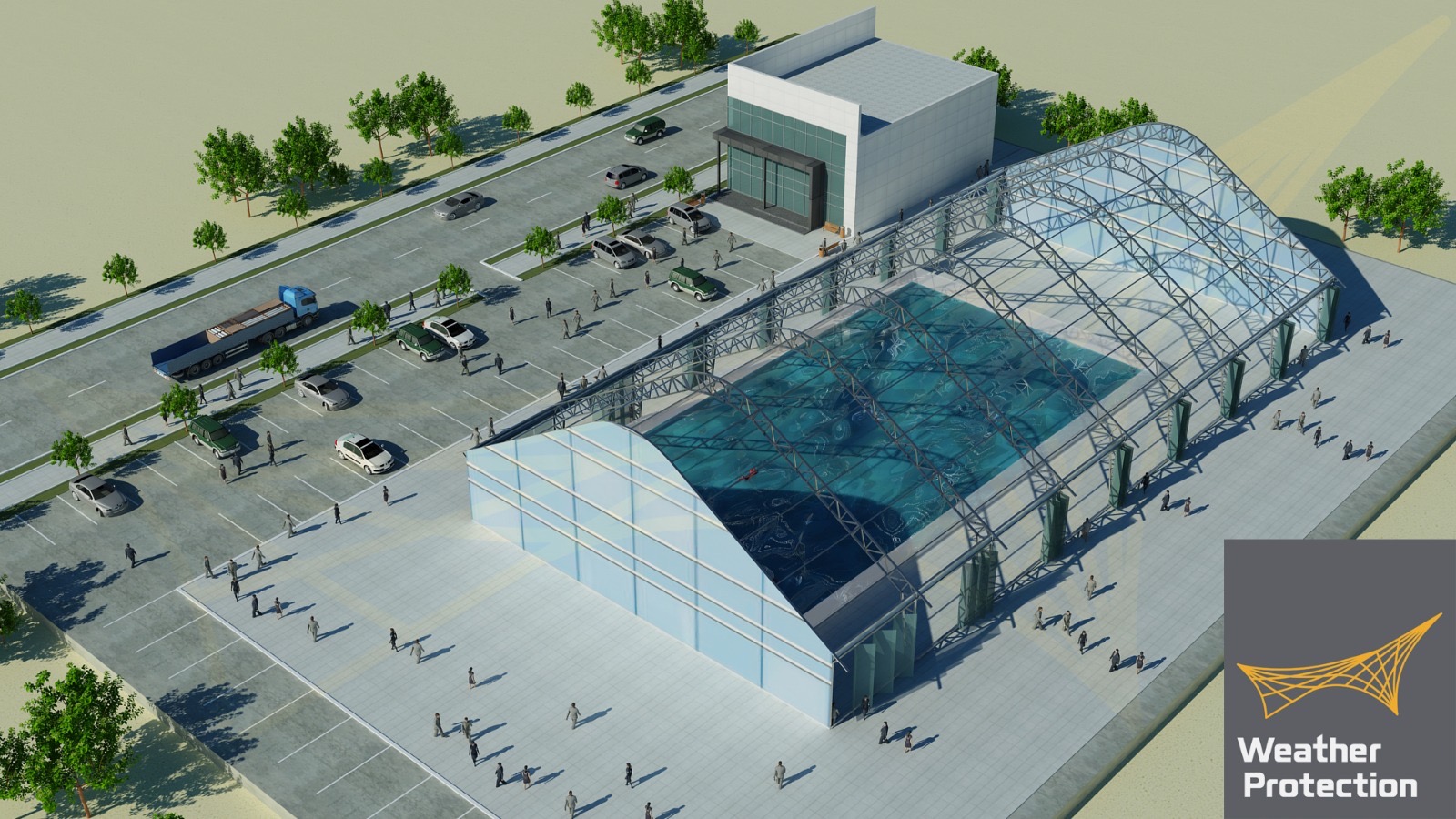
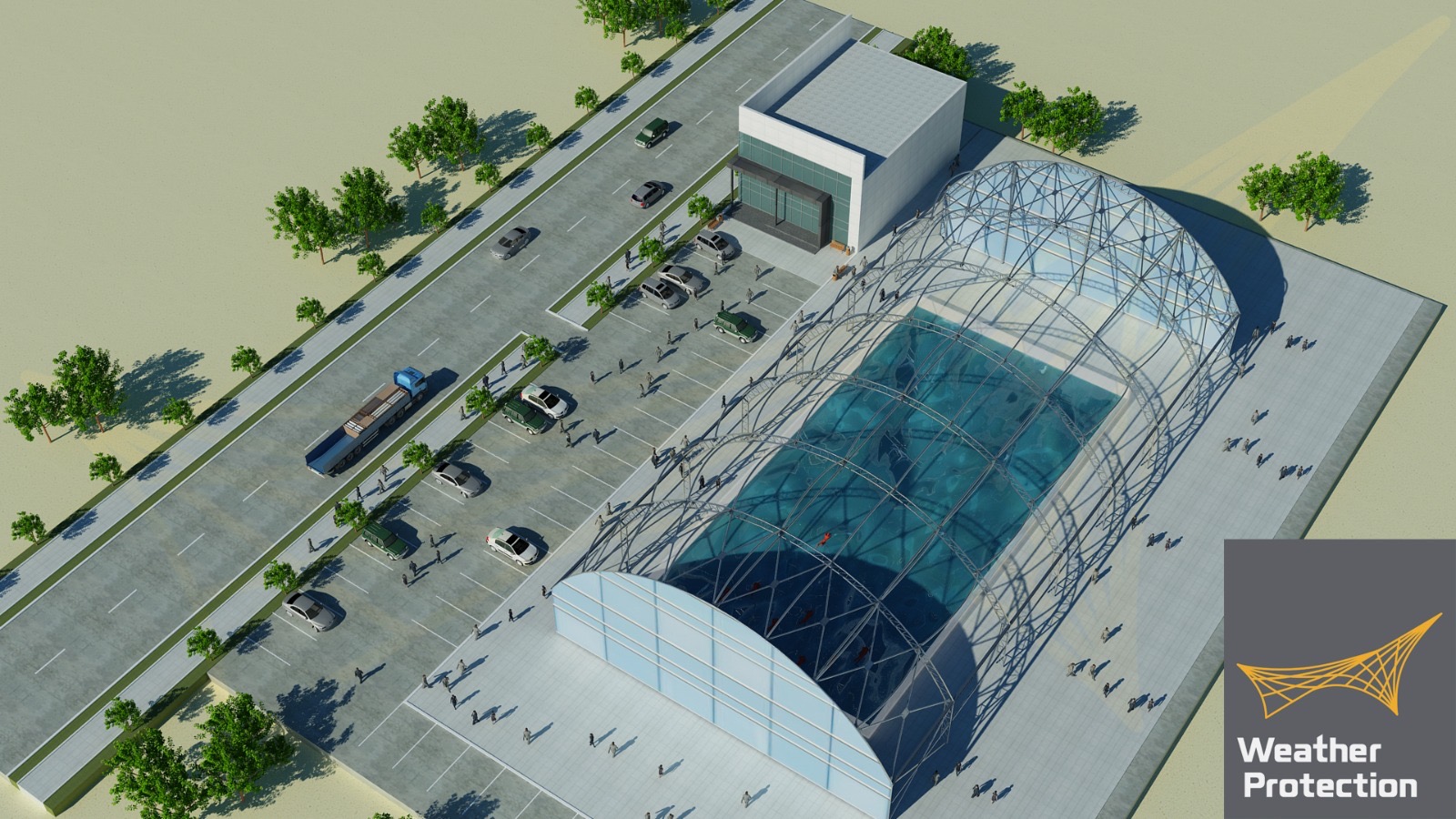
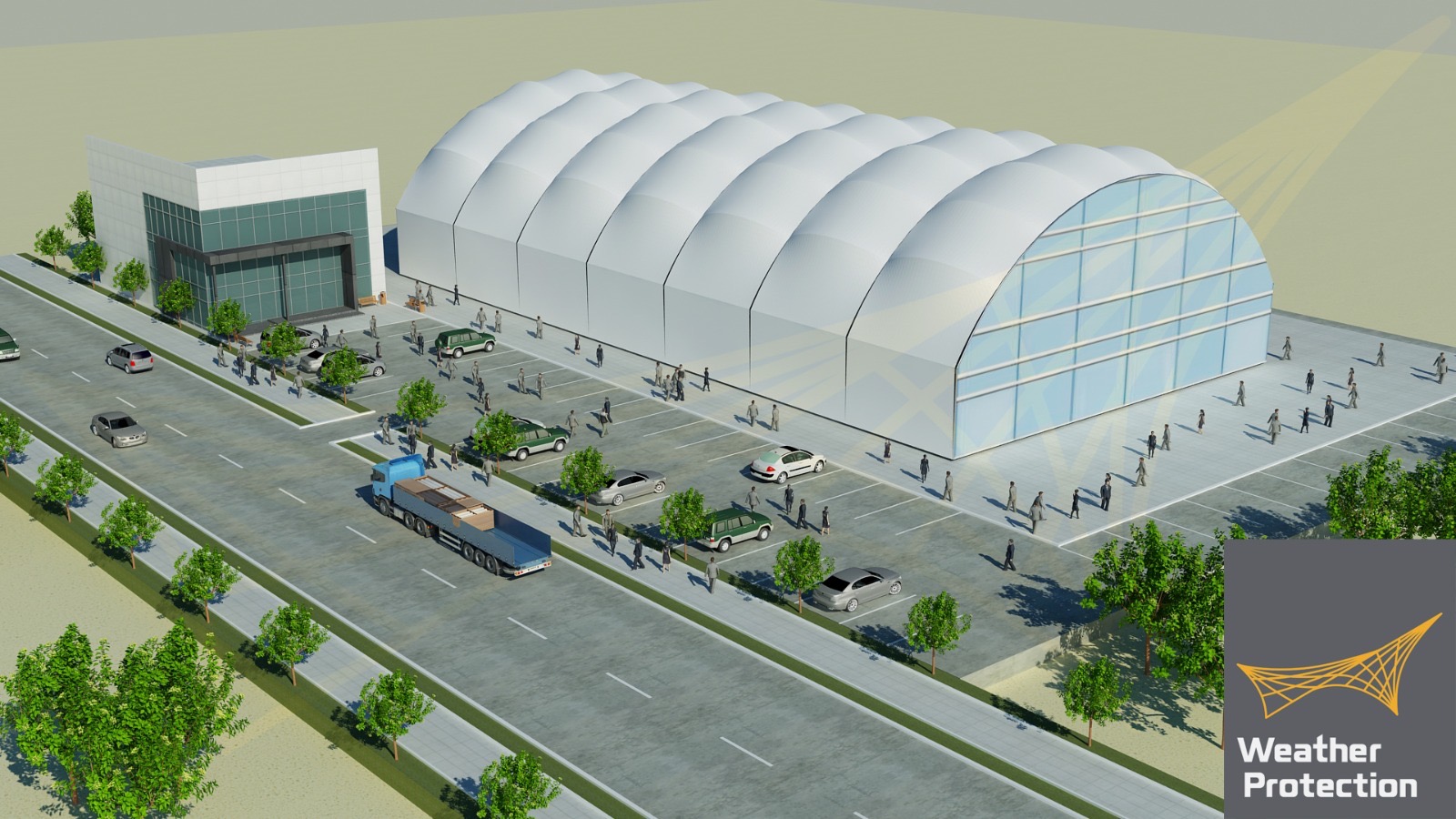
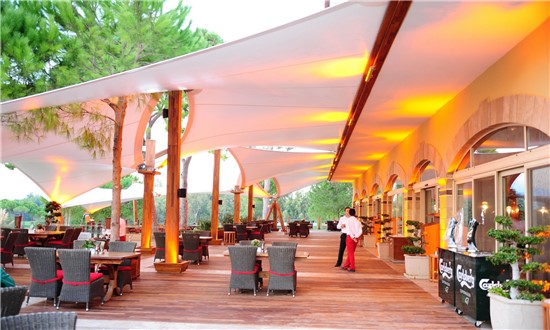
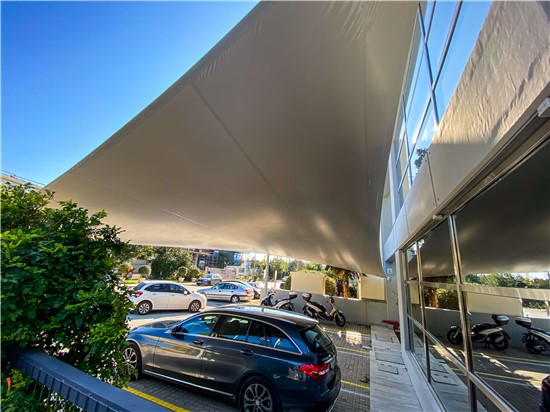
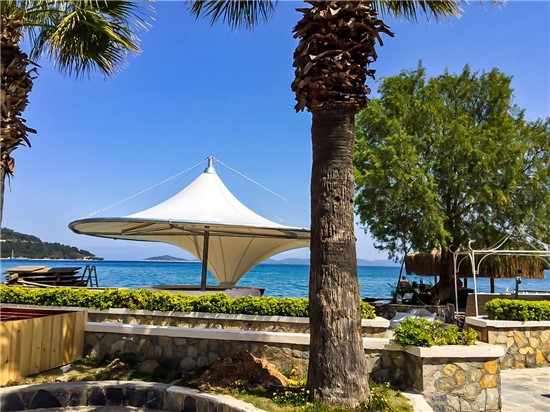
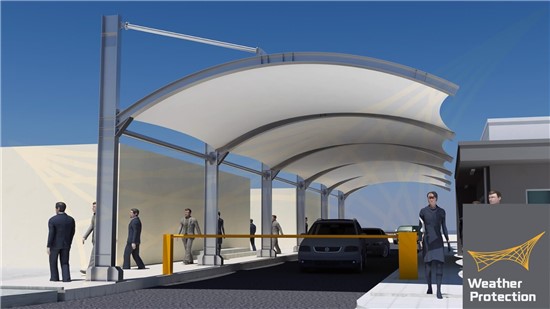
Weather Protection’s architectural PVC shading constructions provide a high-performance solution for spaces requiring reliable protection from sunlight and changing weather conditions. Combining structural efficiency with architectural flexibility, PVC tensile membranes can cover both compact and large-scale areas while creating distinctive, lightweight forms.
What are PVC tensile membranes?
PVC tensile membranes are composite architectural fabrics consisting of a high-strength polyester base coated on both sides with flexible PVC. The external surface may feature a protective PVDF or acrylic top coating, designed to enhance resistance to UV radiation, environmental pollutants and weather-related ageing.
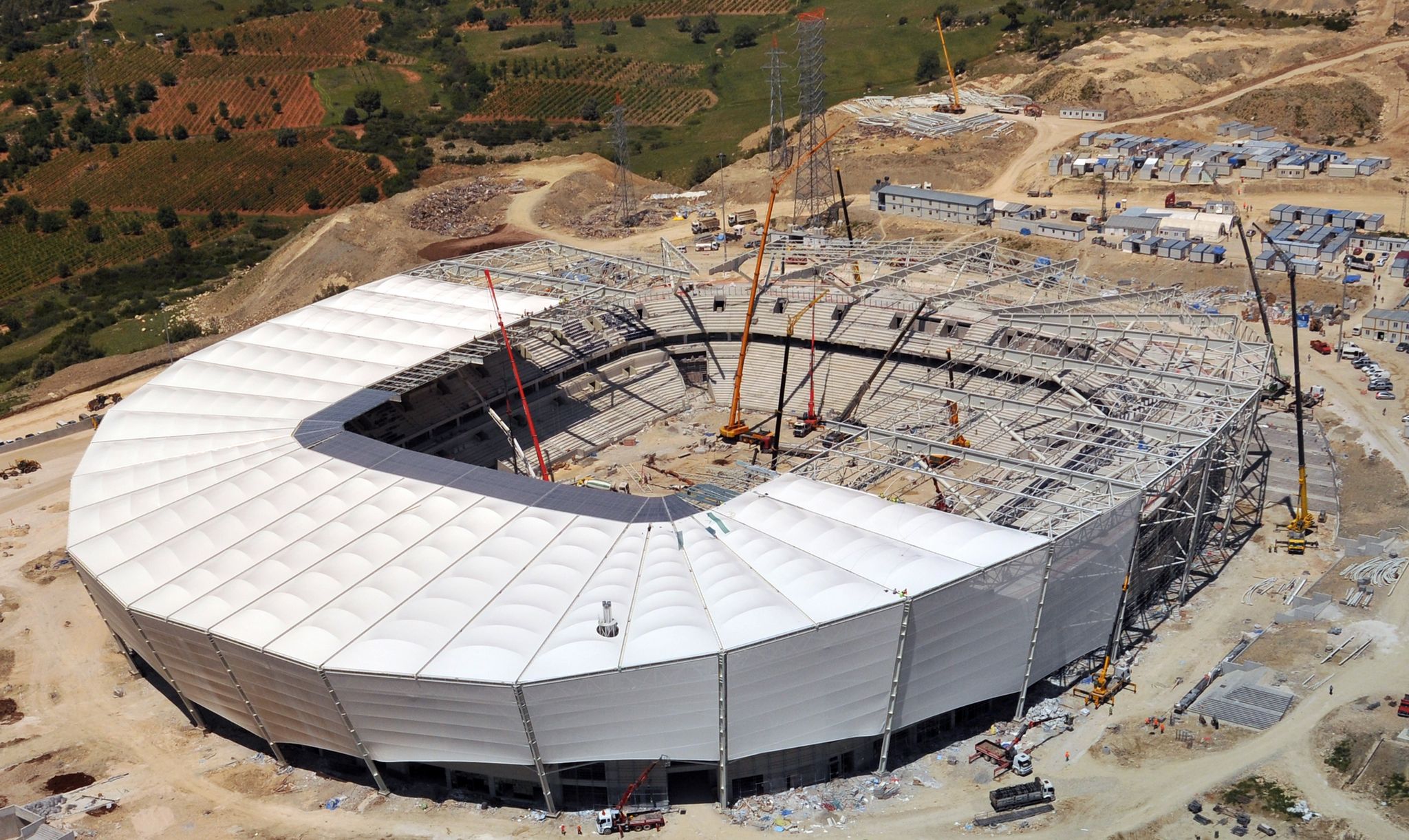
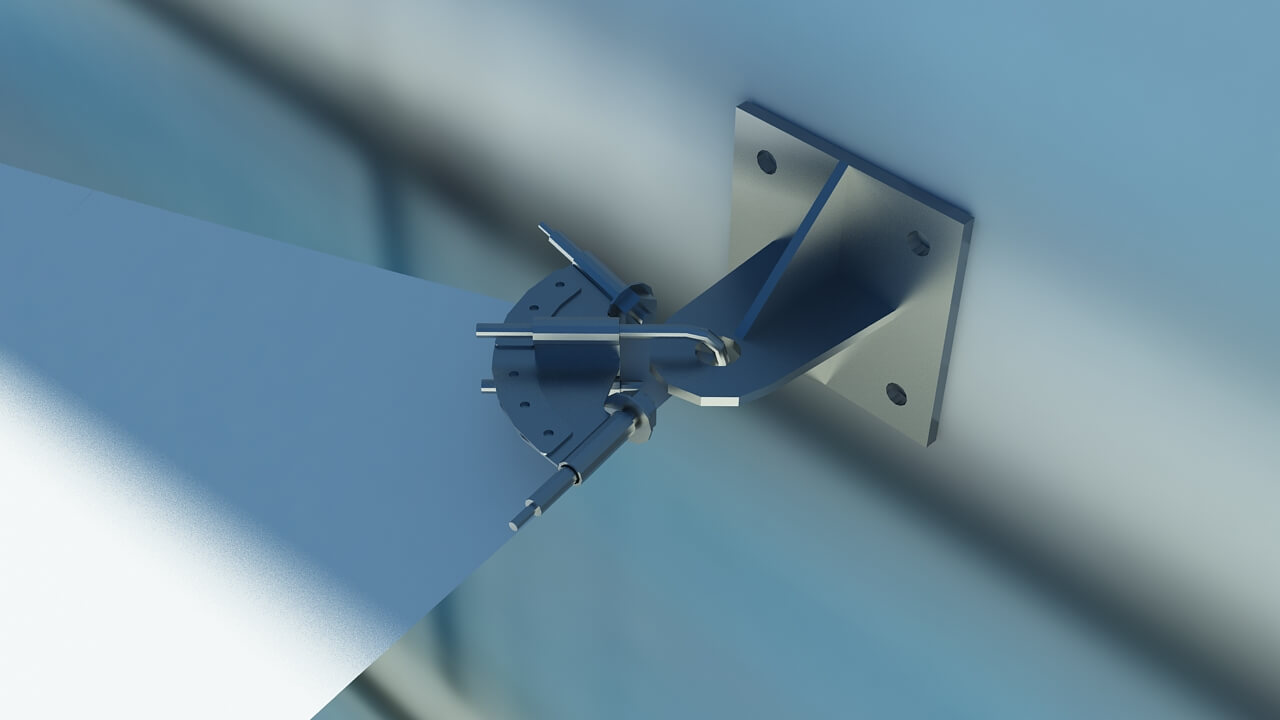
The membrane is tensioned over an engineered supporting structure to create stable three-dimensional forms. Unlike perforated fabrics, solid PVC membranes form a continuous waterproof surface, making them suitable for outdoor areas that require protection from both sunlight and rain.
Key features and benefits
- Weather protection: The solid membrane provides effective protection from rain and solar exposure, with water directed towards drainage points incorporated into the project design.
- Solar control and thermal comfort: Available blockout options restrict light transmission and help reduce solar heat gain beneath the structure.
- Architectural flexibility: PVC membranes can be shaped into a wide range of curved and geometric forms, allowing each structure to respond to the scale and architectural identity of its setting.
- Surface protection: Selected membranes feature smooth protective coatings that reduce the accumulation of dirt and facilitate regular cleaning and maintenance.
- Long-term performance: High-quality architectural membranes are designed to retain their mechanical properties and visual appearance under prolonged outdoor exposure.
Performance and safety
Each PVC tensile structure is designed according to the dimensions, location and environmental conditions of the project. Depending on the selected membrane, available specifications may include enhanced tear and tensile strength, anti-fungal properties and fire-retardant classifications in accordance with relevant European standards.